


Nubuck Leather Care: A Curated Guide to Timeless Maintenance


A small mark on a beloved nubuck chair can change the mood of an entire room. It might be a muddy paw print discovered after guests leave, a darkened patch where a hand rests, or a wine spill caught just in time. For owners of investment furniture, the instinct to act quickly is understandable, but nubuck rewards patience, the right tools, and a routine shaped around preservation rather than emergency cleaning.
Thoughtful nubuck leather care is part of complete room stewardship. It protects the velvety nap, honours timeless craftsmanship, and helps a curated selection of furniture remain composed through daily life, changing seasons, and years of use. In a design-forward home, maintenance isn't an afterthought. It's how heirloom quality remains visible and tactile.
Understanding Your Nubuck Investment
A nubuck armchair often becomes more than a seat. It may be the reading chair beside a library lamp, the recliner reserved for quiet evenings, or the piece that gives a living room its warmth. When a mark appears, the concern isn't whether the surface looks clean. Owners are protecting the material character, colour depth, and artisanal finish that made the piece worth choosing.
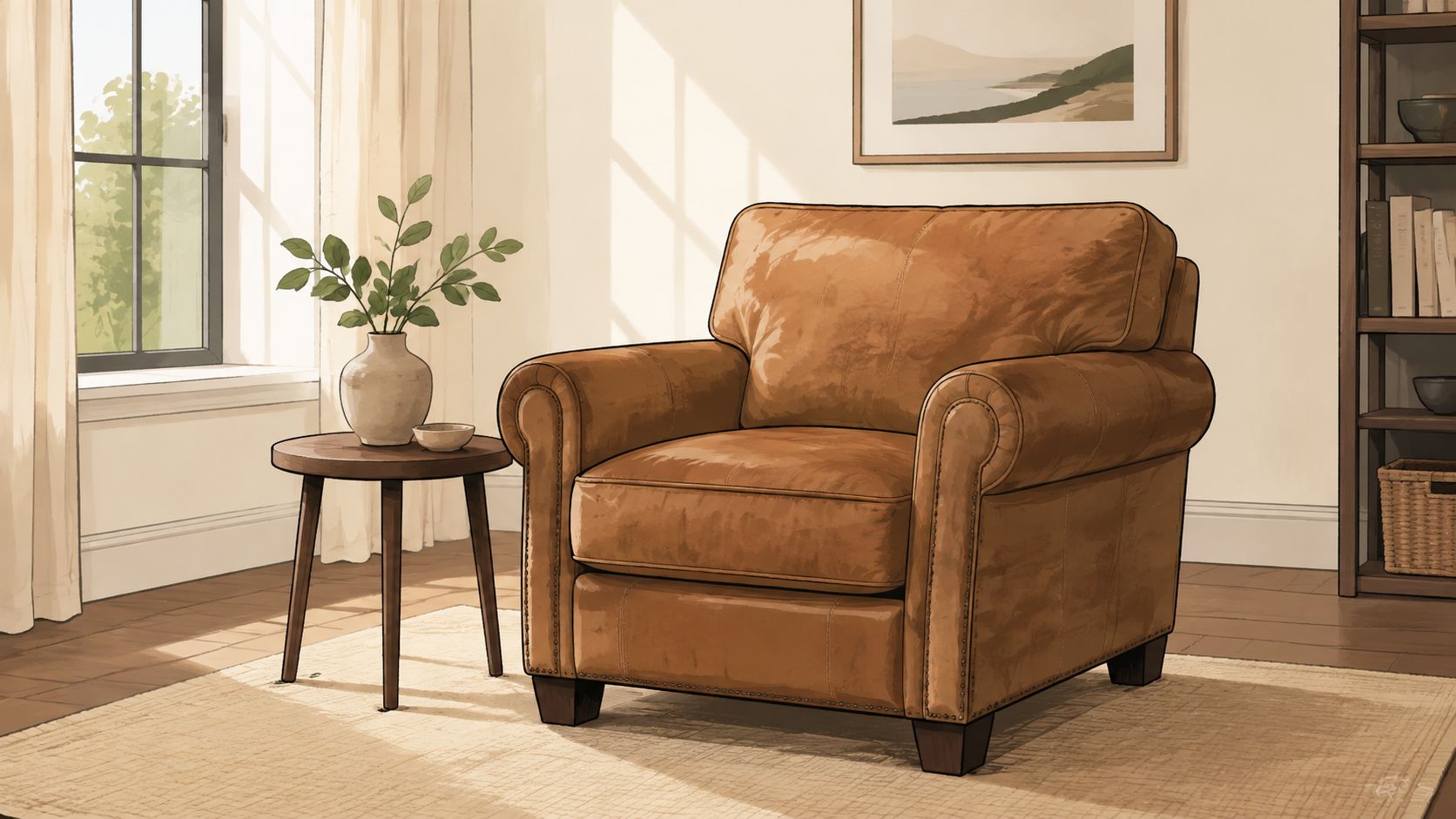
Why the nap matters
Nubuck's signature is its raised, brushed nap. That finely textured surface creates the soft, almost velvety hand-feel that distinguishes nubuck from coated or highly polished leather. It also changes the way dust, body oils, and environmental particles behave. Compared with smooth leather, the raised surface can hold onto this material more readily, which means neglect may become visible as shading, dullness, or uneven texture.
The practical lesson is simple. Nubuck shouldn't be treated as though it has a sealed surface that can tolerate vigorous wiping, household sprays, or repeated moisture. Its luxury lies in the surface structure, so preservation must be gentle enough to keep that structure intact.
A useful reference for understanding broader leather distinctions is this guide to leather types for furniture. Owners who also care for leather clothing or accessories may find additional context in this resource on how to clean and condition leather, though nubuck furnishings still require material-specific handling.
Care as room stewardship
A carefully maintained nubuck piece supports the complete room concept around it. Its tonal variation can complement timber, metal, linen, and a hand-knotted rug, while its tactile surface introduces softness to architectural lines. Allowing the nap to become congested with dust or oils can weaken that visual balance.
Practical rule: The more valuable and frequently used the piece, the more valuable a calm, organised maintenance habit becomes.
That habit doesn't need to feel burdensome. It's a quiet form of respect for timeless craftsmanship, much like maintaining fine joinery, rotating textiles, or protecting a rug's foundation. The result is a room that continues to feel considered rather than merely occupied.
Establishing Your Maintenance Cadence
The most reliable approach to nubuck leather care is a repeatable schedule. Instead of waiting for visible soiling, households can remove surface dust before it settles, refresh the nap regularly, and renew protection as part of ordinary home care.
A Canada-facing care guide recommends weekly vacuuming, monthly glove treatment, and protection spray 2 to 4 times per year for upholstered nubuck. The guidance is especially practical for seating, where the nap encounters dust and body oils more often than decorative, rarely touched surfaces. The Canadian care guide also specifies a low-power upholstery nozzle and allows the cleaning glove to be used dry or slightly moist with distilled water.
The weekly reset
Use an upholstery nozzle at the lowest power setting. Move steadily across the surface without pressing the nozzle into the nap. The aim is to lift loose dust, not flatten the fibres or create friction in one concentrated area.
Pay attention to seat creases, the front edge of the cushion, armrests, and the area beneath a favourite throw. These locations tend to collect more contact debris, particularly in a busy household. A gentle weekly pass is more protective than occasional aggressive cleaning because it limits the buildup that later requires moisture or force.
The monthly touch
Once a month, use a dedicated cleaning glove. The glove may be used dry for ordinary surface refreshment or slightly moistened with distilled water when the care instructions for the material permit it. Distilled water is a sensible choice for Canadian households because tap-water mineral content can vary, and mineral residue may leave unwanted marks on a textured surface.
Work in a controlled, even manner. Avoid soaking the glove, scrubbing one spot repeatedly, or creating a damp boundary around a mark. If a product is involved, follow the product's own directions and test it in a concealed area first. The relevant leather care products should be selected for nubuck or suede-like finishes, not just for leather in general.
The protection cycle
Apply a suitable protection spray 2 to 4 times per year, with the timing adjusted to use, household conditions, and seasonal exposure. High-use seating and homes affected by rain, slush, or winter salt may need closer attention than lightly used furniture in a protected room.
The cadence creates a baseline that busy professionals can maintain. It keeps the piece closer to showroom-ready condition without turning ownership into a daily task.
Addressing Common Stains and Spills
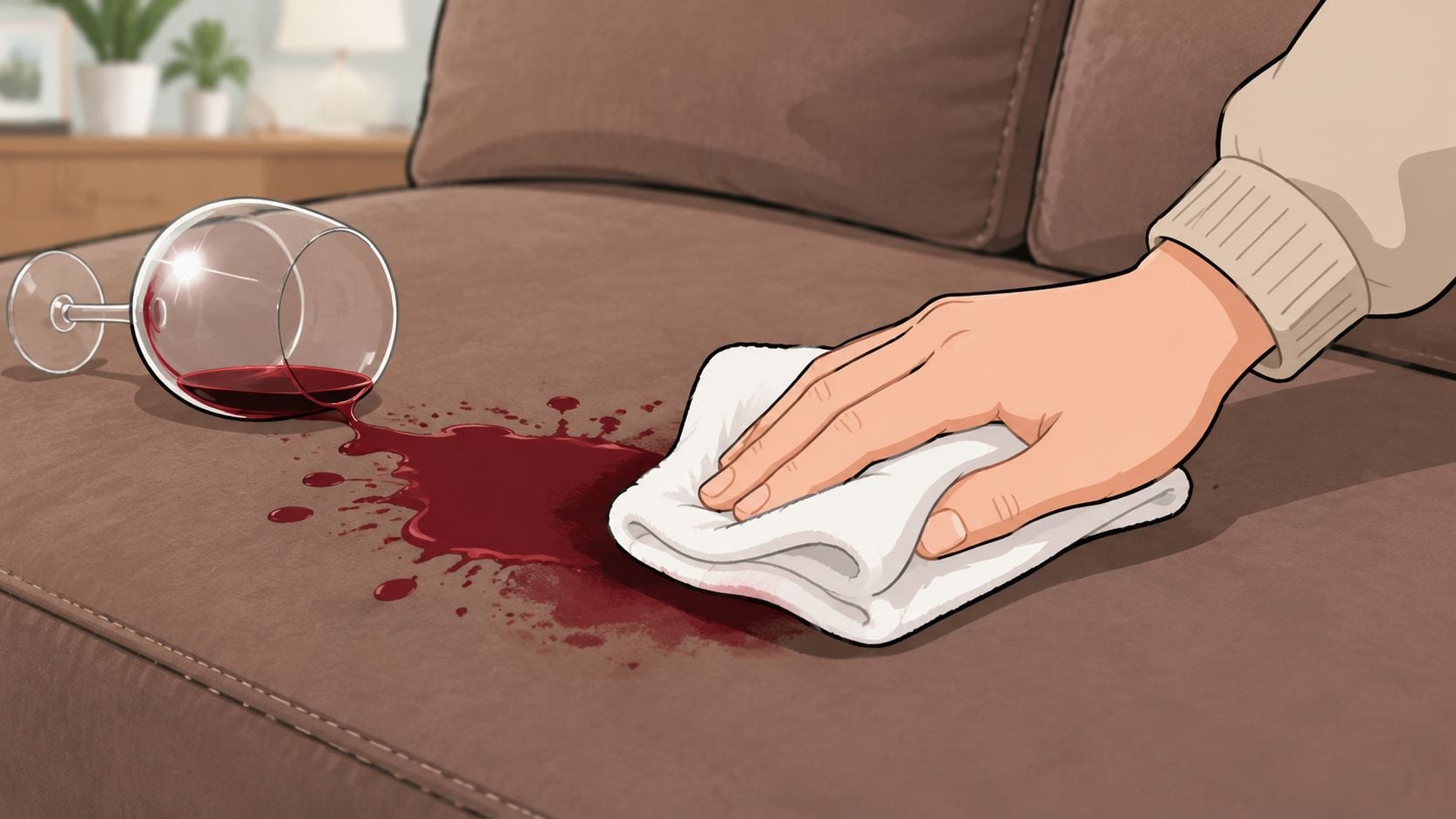
A glass tips onto a nubuck sofa during dinner. The safest first move is restraint. Rubbing a wet mark drives soil deeper into the nap, spreads the affected area, and can create a larger repair than the original spill. Separate blotting, drying, brushing, and protection into distinct steps. That sequence preserves the surface and supports the furniture's long-term value.
Mud and wet dirt
Let mud dry completely before cleaning. Brushing wet dirt can spread the mark and force particles further into the nap, as explained in this nubuck cleaning and maintenance guide.
After the area dries, use a suitable brush and follow the grain in one direction. Make short, controlled passes to lift the particles without disturbing the texture. Vigorous back-and-forth scrubbing can leave the nap uneven, particularly on a high-contact cushion or arm.
Moisture and liquid spills
Blot a fresh spill with a microfiber towel. Press lightly, then move to a dry section as moisture transfers. Avoid circular rubbing, saturated cloths, and attempts to dilute the spill with more water. Excess moisture can create a visible boundary and affect the surrounding nap.
Let the piece air dry overnight before judging the result. A 24-hour drying window is used in related nubuck care guidance, including advice for boots to dry for 24 hours for the best effect. The surface should be fully dry before brushing or deciding whether further treatment is appropriate.
Red wine and the mysterious mark
Red wine follows the same disciplined order. Blot immediately, keep household cleaners away from the leather, and let the surface dry fully. The nap may look substantially better after drying and gentle brushing. If colour remains, repeated home treatment can spread the mark or alter the hand-feel, so professional assessment may protect the furniture better.
For a nearby textile spill, the practical guide on how to treat red wine on blankets provides useful context, though fabric methods should not be transferred directly to nubuck. Owners can also review this leather furniture care guide to place spot treatment within a broader upholstery routine.
Patience protects the finish. A dry mark can be assessed accurately. A wet, overworked mark is harder to read and harder to correct.
Distinguishing Nubuck from Suede
Nubuck and suede share a soft, brushed appearance, but they aren't identical materials. The distinction matters because the surface, durability, and response to care products differ.
Nubuck is made from the outer side of the hide, then brushed to create its velvety nap. Suede comes from the inner split, which generally gives it a softer and more porous structure. Nubuck's outer hide structure is typically denser and more durable, while suede can feel more open and delicate under touch.
Why generic leather cleaner fails
Smooth leather cleaners often assume a coated, closed surface. On nubuck, those formulations may flatten the nap, leave residue, darken the colour, or alter the hand-feel. The mistake usually begins with a reasonable assumption: if the label says leather, it must be suitable for every leather. Nubuck disproves that assumption.
Suede treatments also shouldn't be selected automatically. A product designed for a softer, more porous split may not offer the right protection for nubuck's denser brushed surface. Product labels should specify nubuck or suede-like leather, and every unfamiliar treatment should be tested in a hidden area before it reaches a visible panel.
A practical comparison
| Material | Surface origin | Typical care priority |
|---|---|---|
| Nubuck | Outer side of the hide | Protect the raised nap and use minimal moisture |
| Suede | Inner split of the hide | Preserve the softer, more porous surface |
| Smooth leather | Finished outer surface | Use products formulated for coated or smooth leather |
The comparison isn't a licence to improvise. Both nubuck and suede require specialized products, gentle brushing, and careful drying. Owners who also maintain automotive upholstery can consult this resource on cleaning leather seats the right way, while furniture owners should follow the material guidance supplied for their specific piece.
For custom seating, the distinction becomes especially important before commissioning a finish. Critelli's custom leather upholstery service context helps clients discuss the intended feel, appearance, use pattern, and care expectations before selecting a material.
Protection and Conditioning Protocol
Protection should be planned before the first spill. A sound routine refreshes the nap when needed, applies a suitable barrier, and leaves enough time for the treatment to dry before anyone uses the furniture. That sequence supports the room's long-term stewardship, not merely its immediate appearance.
Follow the correct sequence
Begin with a suede-and-nubuck renovator in a suitable or complementary colour when the surface looks tired or uneven. Apply a light, even coat according to the product directions. Saturating the leather can create drying problems and alter the feel of the nap.
After the renovator has been applied correctly, use a protector spray made for nubuck or comparable brushed leather. It helps the surface resist water and dirt, but prompt blotting and regular dust removal still matter. Protection lowers the likelihood of staining. It does not make nubuck stain-proof.
A protector is a preventive layer, not permission to clean carelessly.
Respect the drying window
Keep the furniture out of service until the surface has dried fully. A full day is a useful working benchmark for nubuck care, while related care instructions commonly advise blotting moisture with a microfiber towel and allowing the piece to air dry overnight. The practical rule is simple: use minimal liquid, brush gently, and do not rush the drying stage.
Drying time matters in Southern Ontario homes, where rain, slush, and winter salt can reach entryway seating and frequently used upholstery. Using the piece too soon may disturb the treatment, transfer moisture, or leave uneven contact marks while the surface is still settling.
Adjust protection to the room
A rarely used accent chair does not face the same demands as a family recliner. Set the routine according to traffic, pets, nearby food and drink, outdoor clothing, and the furniture's position in the room. Reapply protection when the product instructions call for it, and test each treatment in a concealed area first.
Nubuck should not receive a rich balm formulated for smooth leather. Surface renewal and protector spray are the appropriate care categories. The goal is to preserve the raised nap and its resistance while keeping the original tactile finish intact. That restraint protects both daily usability and the furniture's long-term value.
Troubleshooting and Professional Care Decisions
Good maintenance includes knowing when to stop. A homeowner can handle ordinary dust, careful drying, and appropriate dry brushing, but persistent or altered damage can exceed the safe limits of DIY care.
Signs that require escalation
Professional advice is warranted when an odour persists after the surface has dried, a deep-set stain remains after proper dry treatment, or the nap appears permanently flattened or discoloured. These signs suggest that the issue may extend below loose surface soil or involve colour and fibre changes that home tools can't reliably reverse.
A specialist should also be considered when a large area has become uneven, when a spill has created a broad tide mark, or when an owner isn't certain whether the material is nubuck, suede, or a coated finish. Correct identification comes before correction.
Mistakes that create lasting problems
Several well-intentioned responses create more risk than the original mark:
- Too much water: Saturation can spread the affected area and leave uneven drying patterns.
- Direct heat: Radiators, hairdryers, and other heat sources can dry the surface harshly and alter its feel.
- Household cleaners: General-purpose formulas may contain ingredients that flatten, darken, or leave residue on the nap.
- Aggressive brushing: Repeated pressure in one location can create a visibly different texture.
- Immediate use: Sitting on treated or damp furniture before it has fully dried can disturb the finish.
The reasoning is straightforward. Nubuck's appeal depends on a carefully raised surface, so any process that adds saturation, heat, residue, or concentrated friction deserves suspicion.
Questions for a care specialist
Ask whether the specialist has experience with upholstered nubuck, how the material will be identified, which cleaning method will be used, and how colour or nap changes will be managed. A reputable professional should explain the limits of the process instead of promising that every mark will disappear.
The best professional decision is often made before damage spreads. Early assessment protects more of the original finish than repeated experiments at home.
Integrating Care into Your Design Vision
Nubuck care belongs in the design conversation from the beginning. A sofa or recliner isn't an isolated purchase. It contributes to a complete room concept, and its finish influences the rug, lighting, timber tones, wall colour, and surrounding textiles.

Build around texture
A warm nubuck chair can anchor a room with tactile depth, especially when paired with linen, natural timber, woven accessories, or a restrained palette. The room feels more resolved when each material has a role. Nubuck supplies softness and visual warmth, while a rug establishes proportion and gives the furniture a grounded setting.
The Rug Market treats rugs as Art for Your Floor, and that perspective is useful when planning around leather. A hand-knotted rug can provide the foundation for the room's colour palette, helping a rich nubuck tone feel intentional rather than isolated. Homeowners seeking hand-knotted rugs in Ontario can benefit from considering the rug and seating together, rather than selecting each element without reference to the other.
Design for lived-in longevity
A design-forward room should accommodate real use. Place frequently handled seating where it supports the household's routines, but avoid positioning it where direct exposure to spills, wet outerwear, or uncontrolled moisture is unavoidable. Keep care tools accessible, and include the maintenance cadence in seasonal household planning.
Critelli Furniture has served Southern Ontario as a family-run business since 1914, with a design studio that approaches furnishings as part of a cohesive home rather than as disconnected objects. That philosophy aligns naturally with long-term nubuck stewardship. Material selection, scale, care expectations, and final placement all contribute to whether a room continues to feel elegant over time.
For further guidance on how tactile surfaces shape a room, explore texture in interior design.
Designer's Insight
Designer's Insight: Pair a bold Hancock & Moore leather with a neutral hand-knotted wool rug to balance the room's energy. The leather provides character and presence, while the rug creates a calm foundation that lets the nap, colour, and craftsmanship remain the focus.
The same curatorial approach extends to Stickley, Stressless, Magniflex, and other carefully selected furnishings. When the room is planned as a whole, maintenance becomes part of preserving the design vision, not an interruption to it.
Critelli Furniture offers curated leather seating, custom furniture, interior design services, and a Rug Market that helps Southern Ontario homeowners shape a complete room concept around heirloom-quality pieces. Experience the craftsmanship in person at our King Street Showroom, or visit Critelli Furniture to book your complimentary design consultation today.