
Area Rug Placement: A Room-by-Room Design Guide

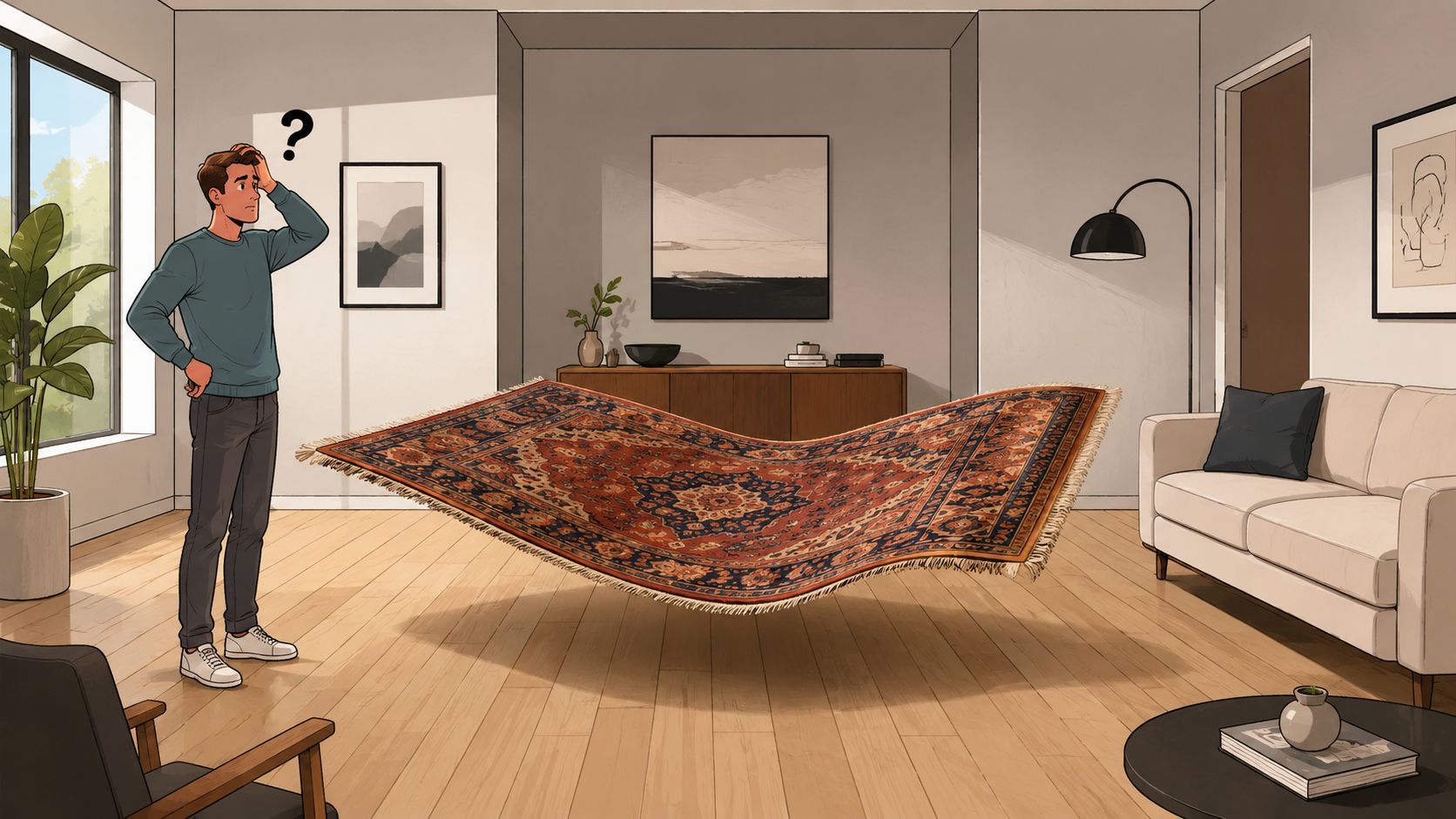
You've rolled out a beautiful rug, stepped back, and realised the room still feels off. The colour is right, the weave is right, but the rug is floating, the seating looks scattered, and the whole space feels less curated than it should. That's the moment when area rug placement stops being a decorating detail and becomes the thing that holds the room together.
At Critelli Furniture, rugs are treated as art for your floor, not an afterthought. In a home that values timeless craftsmanship, a rug should set the tone for the furniture, define the circulation, and make the room feel complete before the first lamp is even switched on. That is why good placement matters as much as the rug itself, especially in Luxury furniture Niagara homes, Interior design services St. Catharines projects, and Custom furniture Southern Ontario spaces where every piece needs to work as part of a full room concept.
A solid rug layout starts with one truth, the room is built around the rug, not the other way around. That principle shows up everywhere, from the Rug Market to full-home planning, and it's the same logic behind a complete room concept at Critelli's interior design space planning. For homeowners balancing beauty and budget, style your home on a budget offers a useful reminder that good design is more about proportion and intention than spending more.
Why Area Rug Placement Defines Your Entire Room
A hand-knotted rug can be exquisite and still fail if it lands in the wrong place. That's the mistake homeowners make most often, they buy the right object and give it the wrong job. In a room that needs structure, a rug should behave like the first architectural line, the one that tells the eye where to sit, where to walk, and where the room begins.
In Canada, 2 out of 3 area rugs are placed in the living room, and 73% land in a high-traffic area according to this industry analysis. That tells a clear story. Rugs are doing functional work in the spaces people use most, which is exactly why anchoring the rug to seating, beds, or tables matters more than centring it as a decorative square in the middle of the floor.
Rugs should settle the room, not decorate the emptiness
A room feels finished when the rug connects the furniture into one conversation zone. It feels accidental when the rug sits apart from the furniture like a showroom sample left on the floor. The difference is not subtle, especially in open homes common across Southern Ontario, where a misplaced rug can make a generous room feel chopped up.
The rug also sets the visual temperature of the space. A richly textured wool piece can make a room feel grounded and calm, while a lighter woven piece can open the room and keep the palette relaxed. For homeowners shopping the Hand-knotted rugs Ontario market, that foundation deserves the same attention as the sofa or dining table.
Practical rule: if the rug doesn't touch the room's main furniture group, it's probably too small or too far away from its real purpose.
A strong layout also helps when the rest of the room is being planned around it. That's why a white-glove showroom-to-home approach, and a curated selection of furniture and rugs, make a difference in homes that want both heirloom quality and day-to-day function. A room doesn't need more objects. It needs a better centre of gravity.
Measuring Your Space and Choosing the Right Rug Size
A room goes wrong fast when the rug arrives before the measuring tape. Size decides whether the space feels composed or careless. A rug that is too small leaves the furniture floating. A rug that is too large starts to read like wall-to-wall carpet, which is rarely the right effect in a lived-in home.
The clearest guidance is still the border around the rug. One Canadian home-improvement guide recommends leaving at least 6 inches of rug visible around the perimeter when all living-room furniture sits on the rug, while another recommends 8 to 18 inches of bare floor between the rug edge and the wall in most rooms House Beautiful UK. A common designer benchmark is the 18-inch rule, with smaller rooms sometimes working at 8 to 10 inches and larger layouts often looking best with 1 to 2 feet of border space.
The tape-out method beats guesswork
The right buying process is plain and disciplined.
Measure the room first. Record the full dimensions, then note the placement of doors, vents, and major furniture pieces.
Mark the rug outline with painter's tape. That gives you a real footprint before anything is ordered or delivered.
Set the furniture in its final positions. A rug should answer the room you live in, not a polished arrangement that only works in theory.
Walk the traffic paths. If circulation feels tight during the tape-out, the rug is already asking for too much.
That tape outline matters in larger Ontario homes and in compact rooms alike. It shows whether the rug supports the furniture or interrupts it, which is where expensive mistakes usually start. In open-concept rooms, it also helps define a zone without forcing walls where none exist. In smaller rooms, it keeps you from buying a size that swallows the floor or leaves the layout feeling stranded.
A rug size calculator from Critelli Furniture is a sensible way to turn those measurements into a clearer size choice without relying on instinct alone.
A rug should frame the room's movement, not compete with it.
Living Room and Dining Room Anchoring Strategies
Living rooms and dining rooms expose weak rug placement immediately. These rooms are built for gathering, so a rug that floats in the center or crowds the furniture throws the whole arrangement off. In a Southern Ontario home with an open sightline or a tight footprint, the rug has to do real work. It needs to anchor the room, define the seating or dining zone, and make the furniture read as one composition.
Living rooms need furniture to sit on the rug
The most reliable living room rule is the front-leg method. At least the front two legs of the sofa, chairs, and sectional should rest on the rug, and the edge should still leave a clean border of bare floor around the room for balance Denver Carpet and Flooring. Another placement guide recommends keeping a visible border of roughly 8 to 24 inches, which helps the rug look deliberate instead of cramped Giorgi Bros.
For a clearer room-by-room approach, see Critelli Furniture's rug placement guide for living rooms. It gives a practical frame for rooms where the sofa, chairs, and coffee table need to sit together without feeling crowded.
A rug that sits only under the coffee table creates a disconnected island effect. The seating looks adrift, and the room loses its conversation area. A proper living room rug pulls the furniture inward so the arrangement feels collected, settled, and intentional.
Dining rooms need chair clearance, not just table coverage
Dining rooms follow a different logic. The rug must extend far enough that chairs stay on it when pulled out, which means adding room on every side of the table Home Depot Canada. Some guides recommend a wider margin so chairs remain fully on the rug during use.
That extra reach is practical. Chairs scraping hard flooring at every meal wear down the room's polish and make the rug less useful. The dining rug should protect the floor, support the table, and keep the room's shape intact when guests are seated and standing.
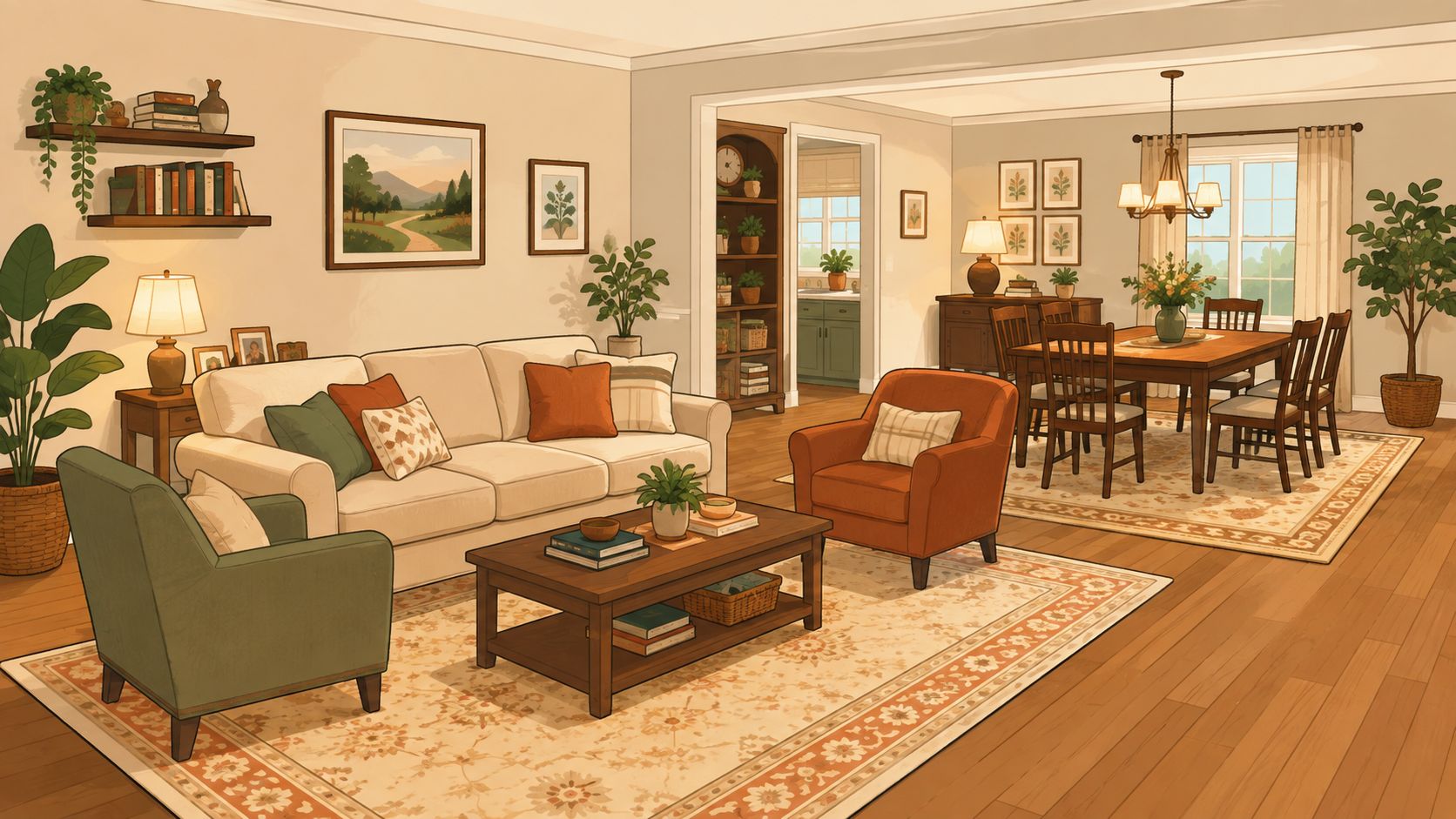
In both rooms, the rule is simple. The rug should hold the furniture, not merely sit beneath it. For families refining a room with curated selection and bespoke pieces, that is the difference between a pleasant room and one that feels properly composed.
Bedroom Rug Placement for Comfort and Proportion
Bedrooms ask more of a rug than living rooms do. The rug has to look balanced, but it also has to feel good under bare feet at the exact moment someone gets out of bed. That is why bedroom placement should put the landing zone first, then frame the bed with clear proportion.
Place the rug under the lower two-thirds of the bed
The most dependable bedroom rule is to place the rug under the lower two-thirds of the bed, not centre it to the whole room. A useful bedroom layout guide from Critelli's rug placement bedroom guide keeps the rug extending beyond the sides and foot of the bed so the landing area stays soft and the bed holds its weight in the room. For a bed against a wall, the practical benchmark is roughly 2 feet of visible rug on the three exposed sides.
That placement does two jobs at once. It creates a soft boundary around the bed and it keeps the room from feeling chopped up. A bedroom with a rug that stops at the nightstands looks tight, and the floor becomes the first thing the sleeper notices on waking.
Keep tight rooms visually light
When the room is compact, bulky nightstands can make the rug read heavier than it should. In that situation, preserve a visible floor frame and avoid tucking the rug under every piece of furniture. The point is to support the bed, not bury the room.
A well-placed rug also helps the rest of the bedroom feel more cohesive. That matters in homes where the bedroom is expected to deliver both calm and polish, not just coverage. A room with the right proportions always feels more expensive, even when the materials are restrained. Guidance from Southern Home and Hospitality reinforces that bedroom rugs should give the bed a clear outline without crowding the surrounding furniture.
For clients building a bedroom around heirloom quality furniture and softer finishes, the right rug placement gives the room a reliable starting point without overcomplicating the decision.
Navigating Small Rooms and Open-Concept Layouts
Small rooms and open plans expose every weakness in standard rug advice. The textbook rules assume clean walls, generous proportions, and neatly separated functions. Southern Ontario homes often give something messier, older layouts, compact condos, angled rooms, and open living spaces where the rug has to work harder than a chart can explain.
Small rooms sometimes need a smarter exception
A narrow room does not always need a full border of floor on every side. If that border makes the rug feel squeezed or leaves the furniture awkwardly spaced, the cleaner answer is often to rotate the rug, shift the orientation, or use a runner instead of forcing a larger rectangle into the plan. The rug should match the room's movement, especially where the circulation line is tight.
Designer's Insight: when a room is oddly shaped, the rug should usually follow the furniture group, not the room's strict geometry. A practical layout beats a perfect diagram every time.
That approach matters because older floorplans and compact urban spaces can make rigid placement rules work against the room. A rug that looks correct in theory can still make the room feel smaller in practice. The right adjustment is the one that preserves breathing room and keeps pathways clear.
Open-concept spaces need zoning, not duplication
Open plans create a different challenge. One oversized rug can unify a conversation area and give the whole space a sense of calm, but multiple rugs can do a better job when the room contains dining, lounging, and work zones at once. The decision depends on whether the priority is cohesion or clear separation.
A single rug works when the seating group needs to feel like one anchored island. Two rugs make more sense when the room has distinct functions that would otherwise collide. The trick is keeping circulation open so each zone feels purposeful instead of crowded.
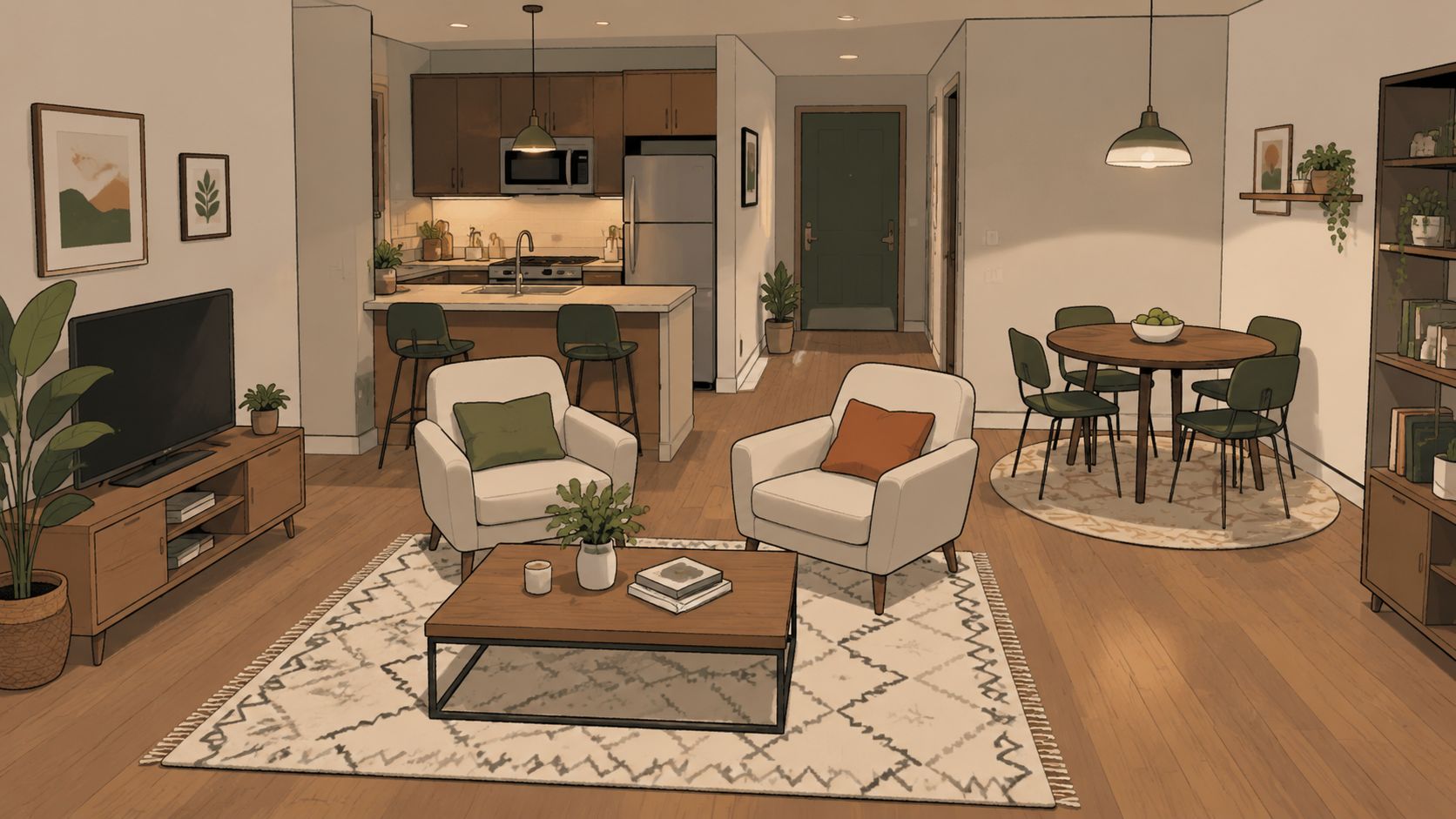
For premium homes across the Greater Niagara, Hamilton, and Toronto markets, this zoning question is often the difference between a room that feels curated and one that feels improvised. The best layouts respect movement first, then style.
Common Placement Mistakes and How to Avoid Them
Most rug mistakes are not about taste. They're about proportion, clearance, and ego. A homeowner chooses a striking rug, then tries to make the rest of the room bend around it. That almost always produces the wrong result.
- Choosing a rug that is too small: If the rug only holds the coffee table or barely touches the furniture, the room loses cohesion. The correction is to size for the seating group first, then the room.
- Centred to the room instead of the arrangement: A rug should relate to the furniture cluster, not an empty centre point. The eye needs a reason to stop where people sit.
- Ignoring traffic flow: If people have to step around corners or squeeze past the rug, the layout is working against the home. The correction is to tape out the rug and walk the main paths before buying.
- Letting the rug touch the walls: When a rug runs right to the perimeter, it starts to resemble wall-to-wall carpet and loses its frame. Leave visible floor around the edges so it reads as a designed object.
- Forgetting door and vent clearance: A beautiful rug is useless if a door catches on it or a vent gets covered. Measure those points before final placement.
The same discipline applies to decorative objects elsewhere in the home. For readers who already care about placement logic, Buddha statue feng shui mistakes is a useful reminder that scale and position matter anywhere a room carries symbolic weight.
A well-composed room also deserves well-chosen materials. Pairing a bold Hancock & Moore leather sofa with a neutral hand-knotted wool rug keeps the room's energy balanced without letting either piece dominate. That kind of restraint is what gives a room its design-forward character.
If the placement still feels uncertain, professional spacing and installation are not overkill. They are the final safeguard for a room that is supposed to look deliberate.
White-Glove Delivery and Professional Placement Services
A rug's job does not end when it arrives at the door. Heavy hand-knotted pieces need careful handling, exact alignment, and proper placement with the furniture already in mind. That is where professional installation becomes part of the design, not just the delivery process.
Critelli's white-glove delivery service is built around that standard, from meticulous inspection to precise placement and removal of all packaging, so the room is ready when the team leaves. The same attention to finish appears in the showroom and at home, which matters when the rug is meant to sit alongside Stickley, Stressless, Magniflex, and other carefully chosen pieces in a complete room concept. More detail is available at Critelli's white-glove delivery page.
The right finish makes the room feel complete
Professional placement matters most when the rug is large, dense, or visually central. The edges need to align with the furniture grouping, the pad needs to sit properly, and the room needs that final bit of adjustment that makes everything look settled.
A strong finishing process also protects the rug itself. If a rug is going to be part of an heirloom-level interior, it should be installed with the same care used to select it.
For homeowners who also think about maintenance, how to deep clean carpets in 2026 is a useful reminder that good floor coverings deserve regular care as part of long-term ownership. That care starts with correct placement and continues with the right handling in the home.
Critelli has served Southern Ontario since 1914, and that legacy still shows up in the details, from the Rug Market to the final placement in the living room, bedroom, or dining space. For anyone refining a room near St. Catharines, Niagara, Hamilton, or Toronto, the next step is simple. Visit the Rug Market to find your room's foundation, then let the rest of the room build around it.
Experience the craftsmanship in person at the King Street Showroom. Critelli Furniture offers curated rugs, complete room concepts, and white-glove delivery that brings the final layout together with care. Book your complimentary design consultation today and let a seasoned design team help place the foundation of your room properly.