
The Best Chairs for Posture a Design-Forward Guide

A great many readers arrive at this subject while shifting in a chair that looked fine in the shop but feels less convincing by late afternoon. The lower back tightens, shoulders creep forward, and by evening even a comfortable sofa seems to invite a slouch that lingers into the next day.
That discomfort often sends people searching for the best chairs for posture as though there were one perfect model for every body and every room. There isn't. Good posture is shaped by how a chair supports the body, how a room is arranged around it, and how that seat serves life from morning work sessions to evening reading. A design-forward choice considers all of it.
For households investing in luxury furniture Niagara, custom furniture Southern Ontario, and interior design services St. Catharines, the wiser question isn't which chair to buy. It's which chair, in which setting, will support well-being with heirloom quality, timeless craftsmanship, and daily ease.
Table of Contents
- Understanding the Foundations of Ergonomic Seating
- A Curated Guide to Posture-Conscious Chairs
- The Bespoke Approach to a Perfect Fit
- Beyond the Chair A Complete Room Concept
- Maintaining Your Investment in Timeless Craftsmanship
- Starting Your Journey to Lasting Comfort
Understanding the Foundations of Ergonomic Seating
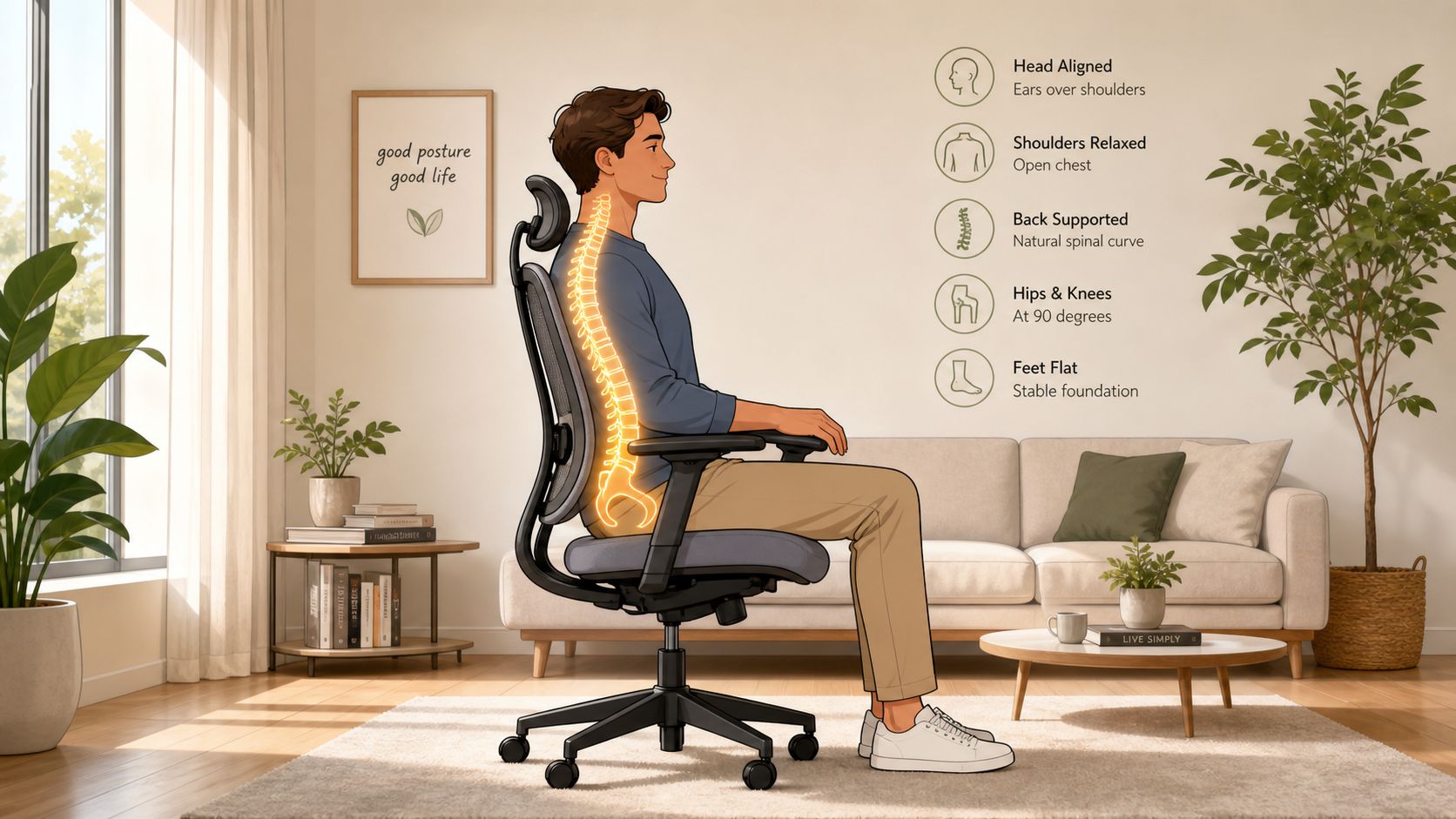
Good posture isn't a stiff, upright pose held by force. It's dynamic alignment. The body should feel supported enough to stay organised, yet free enough to shift, reach, and breathe without strain. That distinction is where many people get confused.
A posture-friendly chair doesn't “hold” a person in place like a brace. It supports the natural curves of the body so the muscles don't have to overwork just to keep someone comfortably seated. That idea has guided thoughtful interiors for generations, and it's one reason family-run design houses with roots reaching back to 1914 have long treated seating as an investment in living well, not a short-term purchase.
What posture really means
A simple way to think about posture is to picture the spine as a gently stacked column, not a ramrod. When the pelvis rolls too far back, the lower spine tends to collapse. When the chin reaches forward, the upper back often rounds in response. A good chair reduces those compensations.
Three misunderstandings appear often:
- “Sitting straight” means sitting rigidly: It doesn't. Healthy sitting allows small changes in position.
- A soft chair must be better: Not always. Too much sink can pull the pelvis out of balance.
- Lumbar support should feel aggressive: It shouldn't. Proper support meets the body without jabbing it.
Practical rule: If a chair makes someone perch at the edge or slide forward after a few minutes, the chair isn't supporting posture well, no matter how elegant it looks.
For readers who are already dealing with persistent discomfort, broader wellness support may matter alongside better seating. A practical overview of effective back pain treatment options can help frame when a chair adjustment is enough and when outside care may be worth considering.
The three support zones that matter
The best chairs for posture tend to succeed in the same places.
- Pelvic support: The seat should help the pelvis rest in a neutral position. If the seat tilts the body backward too much, the spine often follows.
- Lumbar contact: The lower back benefits from gentle fill where the spine curves inward naturally.
- Upper body ease: Arm support and back height should let the shoulders settle instead of lifting or collapsing.
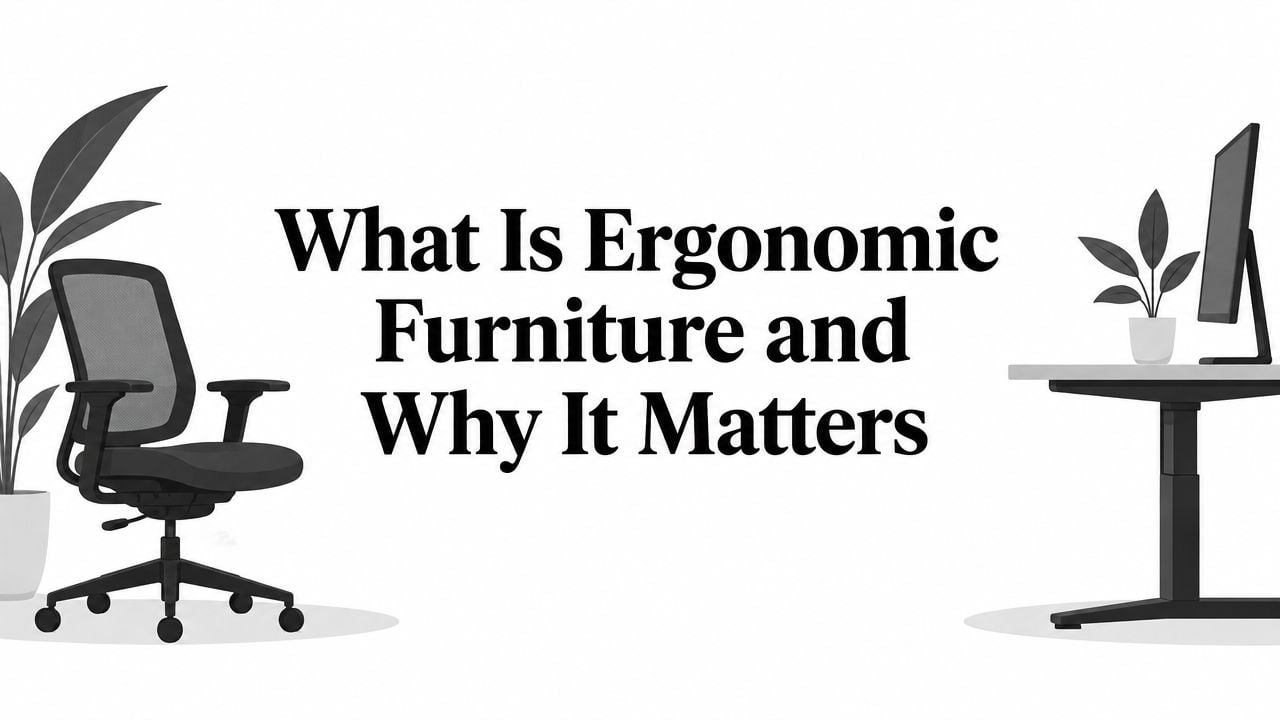
Readers shopping for office seating often benefit from looking at a modern office task chair through that lens. Rather than asking whether it has many controls, ask whether those controls help the body rest in balance.
A well-designed ergonomic chair often feels almost quiet. There's no dramatic sensation. The body no longer negotiates with the seat. That subtlety is often the mark of superior design.
A Curated Guide to Posture-Conscious Chairs
The phrase best chairs for posture usually brings one image to mind: a technical office chair at a desk. That's only part of the story. Posture is a whole-home matter. The right seat at work helps, but so does the recliner used after dinner, the lounge chair in the reading corner, and the occasional chair where a person settles with a laptop.

Task seating for focused work
A proper task chair earns its place by adapting to the body and the desk at once. Seat height, seat depth, arm position, and back response all matter because work posture changes throughout the day. Typing, reading, taking calls, and leaning back to think are different activities, not one fixed pose.
A design-forward option such as the Embody Chair by Herman Miller often appeals to readers who want performance without sacrificing visual refinement. In a complete room concept, such a chair shouldn't feel clinical or temporary. It should belong with the desk, lighting, rug, and architecture of the room.
A helpful way to assess task seating is this short comparison:
| Chair type | Best use | Common strength | Common caution |
|---|---|---|---|
| Task chair | Desk work and study | Adjustability and targeted support | Can feel overly technical in a softly styled room if finishes aren't considered |
| Executive chair | Longer seated meetings and home office presence | Broader scale and visual warmth | Some models prioritise appearance over true alignment |
| Compact desk chair | Smaller rooms and multi-use spaces | Lighter footprint | Limited support for long sessions |
Recliners and lounge chairs for whole-body ease
Many readers assume recliners are indulgent rather than ergonomic. The better versions prove the opposite. A well-made recliner can support the back, legs, and neck in a way that relieves pressure from prolonged upright sitting, especially in evening hours when the body needs restoration rather than desk formality.
Stressless often enters the conversation. Chairs of that calibre show that ergonomic thinking doesn't have to look mechanical. It can be custom-designed, elegant, and suitable for refined living rooms in Greater Niagara, Hamilton, or Toronto homes where aesthetics matter as much as comfort.
A posture-conscious recliner should support repose without swallowing the sitter. If standing up feels like climbing out of a hollow, the proportions are off.
Living room seating that still respects alignment
Not every posture-supportive seat swivels or reclines. Some of the most successful pieces are beautifully proportioned lounge and accent chairs with balanced pitch, supportive cushioning, and arm height that invites the body to settle naturally.
A curated selection holds significance. Stickley often appeals to those who value structure, enduring lines, and artisanal integrity. Hancock & Moore brings a different kind of richness, particularly in leather seating that feels precisely fitted rather than overstuffed. Both speak to a broader lesson. Posture support and timeless craftsmanship can coexist.
Texture also affects comfort in subtle ways. Cushion surfaces that grip too much or feel overly slick can change how the body rests in a chair. For readers comparing decorative layers as part of a seating scheme, this guide to choosing the right pillow fabric is a useful companion, especially when balancing support with softness.
When considering lounge seating, these questions help:
- Does the chair support conversation posture? A good living room chair should work when someone sits upright, not only when reclining.
- Are the arms at a restful height? Arms that sit too high push the shoulders upward.
- Does the cushion keep its shape? Lasting support depends on structure beneath the surface.
The strongest interiors don't separate ergonomics from beauty. They blend them so gracefully that the room feels effortless.
The Bespoke Approach to a Perfect Fit
Even the most thoughtfully made chair won't feel right if its scale is wrong for the person using it. Fit is where many purchases succeed or fail. A chair should feel almost perfectly fitted, much like fine clothing that follows the body without pulling or sagging.
That's why the most reliable approach is bespoke rather than generic. The body has proportions. The room has demands. A chair for concentrated work isn't fitted the same way as a chair for reading or conversation.
How to check fit before buying
A few simple checks remove much of the guesswork.
Start with seat height
Feet should rest comfortably on the floor, with the knees neither lifted sharply nor left dangling. If the seat is too high, pressure often builds under the thighs. If it's too low, the hips and back may collapse.Check seat depth next
The seat should support the thighs without pressing hard behind the knees. Too shallow, and the body feels perched. Too deep, and the sitter slides forward to escape the pressure.Test the back contact
The lower back should meet the chair naturally. A person shouldn't have to force the body backward to feel support.Notice the armrests
Shoulders should drop, not hike upward. If the arms float too low or are pushed too high, tension often settles into the neck.
The right fit often feels unremarkable in the best possible way. Nothing pinches, nothing strains, and nothing asks the body to compensate.
For households exploring made-to-order seating, getting started with custom order can be helpful because bespoke comfort often comes from selecting the right dimensions, cushion construction, and finish from the outset.
How use changes the right fit
A common mistake is testing every chair as though it will serve one identical purpose. It won't.
- For desk work: A more active, upright fit usually helps.
- For reading: A slightly more relaxed back angle may be preferable, provided the neck remains supported.
- For conversation areas: Seat height and ease of entry become especially important.
- For media rooms: Head and leg support often carry more weight in the decision.
Custom furniture Southern Ontario becomes especially compelling. The best solution isn't always the chair with the most features. It's the one proportioned for the person and the routine it will serve, with artisanal choices that make it feel at home for years.
Beyond the Chair A Complete Room Concept
A chair can support the body beautifully and still fail the room. If the desk is too high, the lamp creates glare, or the floor surface slips underfoot, posture suffers anyway. That's why thoughtful design treats seating as part of a complete room concept, not a standalone object.

Why the room shapes the posture
People rarely sit in a vacuum. They reach for a keyboard, turn toward a side table, angle toward a window, or lean to catch better light. The room influences how the body sits.
A well-composed setting usually considers these relationships:
- Chair to desk: The surface should allow the forearms to rest comfortably without lifting the shoulders.
- Chair to lighting: Good light reduces the forward head posture that comes from peering or squinting.
- Chair to side tables: Drinks, books, and remotes should be easy to reach without constant twisting.
- Chair to circulation: There should be enough room to sit down and rise with ease.
For readers refining a work area, a contemporary desk for the office shows how posture support often depends on the furniture surrounding the chair just as much as the chair itself.
Some households now use digital planning before making final decisions. For those interested in visualising layouts, this review of top AI tools for interior design offers a useful overview of how room concepts can be tested before pieces are placed.
Art for your Floor and visual balance
A room's foundation matters more than many people realise. Hand-knotted rugs Ontario shoppers often begin with colour or pattern, but the rug also shapes how a seating area feels underfoot and visually grounded. In a design studio setting, this is why rugs are often described as Art for your Floor.
A rug can help define where a posture-conscious chair belongs within a room, especially in open-plan homes. It anchors the seating area, softens acoustics, and ties together wood, leather, and upholstery so the chair feels intentional rather than isolated.
Designer's Insight
Designers often suggest pairing a richly textured leather lounge chair with a neutral hand-knotted wool rug. The contrast steadies the room visually, while the softer foundation keeps the seating area from feeling heavy.
This principle works beautifully across Southern Ontario homes, from urban Toronto spaces to heritage properties in Hamilton and the Greater Niagara region. The room feels organised, and the body often follows that sense of order.
Maintaining Your Investment in Timeless Craftsmanship
The best chairs for posture aren't only about first impressions. Their value unfolds over time. A chair that supports the body well should continue doing so through years of use, and that requires thoughtful care.
Heirloom pieces reward maintenance because structure, upholstery, and mechanisms all contribute to comfort. When one element is neglected, the chair may still look attractive while losing the support that made it worth choosing.

Care by material and mechanism
Different materials ask for different habits.
- Leather seating: Dust gently and condition only as appropriate for the finish. Leather should remain supple, not coated.
- Fabric upholstery: Regular vacuuming helps prevent grit from settling into fibres and wearing them prematurely.
- Wood frames: Keep them away from harsh sunlight and overly dry conditions that may affect the finish over time.
- Reclining or adjustable chairs: Operate mechanisms smoothly and pay attention if movement starts to feel uneven or resistant.
A common mistake is treating maintenance as cosmetic. It isn't. When cushions compress unevenly or moving parts stiffen, posture support changes. Caring for the chair protects both comfort and craftsmanship.
Why delivery and placement matter
Care begins before daily use. Placement affects performance from the first day. A chair that arrives safely but is positioned poorly near glare, awkward table height, or cramped circulation won't serve its purpose well.
That's why white-glove service matters in the luxury category. An effortless transition from showroom to home protects the piece, the room, and the experience of living with it. Proper placement, careful setup, and removal of packaging are not decorative extras. They are part of preserving a thoughtful investment in design-forward, artisanal furnishings.
A well-made chair deserves an equally careful arrival. The first placement often determines whether it becomes a daily pleasure or an expensive compromise.
For readers building rooms around heirloom quality pieces, maintenance should be seen as an extension of design itself. Preservation honours the original standard of the work.
Starting Your Journey to Lasting Comfort
Late in the evening, the room finally goes quiet. You settle into a chair to read, answer one last email, or rest your back for a moment. That daily ritual should leave you feeling supported, not folded forward, stiff in the shoulders, or eager to stand up again after ten minutes. Good posture is shaped in those ordinary hours, not only at the desk.
The finest posture-conscious interiors follow one clear principle. Every seat in the home should work with the body and with the room. A desk chair handles focused tasks. A well-proportioned recliner helps the spine rest without collapse. A lounge chair with the right depth and arm height makes conversation, reading, and recovery from the day far more comfortable. In a well-designed home, posture support is a full-day consideration, carried from office to living room with consistency and grace.
That is why the search for the best chairs for posture rarely ends with a quick product comparison. Fit matters. So does the way you live. A chair may look correct in isolation yet feel wrong once it is placed beside a low table, under poor lighting, or in a room used for both work and relaxation.
When a consultation is worth having
Some selections are simple. Others benefit from a trained eye, especially when comfort, proportion, and lasting beauty all need to align.
A consultation often helps when:
- Several rooms need to relate to one another: Posture support feels more natural when the home follows a consistent logic instead of relying on one isolated “good” chair.
- Custom details are being considered: Seat height, cushion density, upholstery, and finish are easier to judge with guidance.
- A room serves more than one purpose: A study that hosts video calls and evening reading needs different seating decisions than a single-use office.
- You want a piece that will age well: Timeless furniture should suit your body, your architecture, and your routines for years.
Readers exploring Critelli's office furniture collection for posture-conscious workspaces often find that trying scale, support, and materials in person answers questions that photos cannot.
There is also a broader design lesson here. A supportive chair should not look like an exception to the room. In the best interiors, ergonomic thinking is woven into the whole composition. Critelli's refined office seating, high-end recliners, and lounge chairs make that possible by treating comfort and craftsmanship as partners, not rivals.
For households that value heirloom quality, the strongest choice is a considered one. Professional guidance helps translate posture principles into rooms that feel settled, restorative, and beautifully resolved. That is how a chair becomes more than a purchase. It becomes part of how the home cares for you.
Critelli Furniture brings a century-old, family-run perspective to refined living in Southern Ontario, with a curated selection of office seating, artisanal lounge furniture, bespoke options, and Art for your Floor in the Rug Market. For clients across St. Catharines, Greater Niagara, Hamilton, and Toronto, the next step is personal and thoughtful. Experience the Critelli difference in person, explore the showroom and Rug Market, or book a complimentary design consultation.