
Interior Design Consultation Cost: Ontario Guide

A great many homeowners arrive at the same moment in the same way. They have saved room images, measured a wall twice, browsed sofas, rugs, lighting, and paint, and still can't tell which choice should come first. The room remains unresolved, not because the vision is weak, but because the decisions are connected.
That's where questions about interior design consultation cost usually begin. Not with a spreadsheet, but with uncertainty. One family may be refreshing a principal living room in St. Catharines. Another may be furnishing a new build near Hamilton or refining a pied-à-terre used between Niagara and Toronto. In each case, the consultation is less about “buying advice” and more about creating order.
A professional consultation gives a project shape. It identifies what belongs, what doesn't, and what needs to happen first. Readers who want a broader perspective on the process may also find this Vancouver renovation guide useful, especially when trying to connect design decisions with renovation planning. For those wondering how the process begins at the room level, this guide on starting the interior design process for a room offers a practical starting point.
Table of Contents
- Embarking on Your Design Journey
- Unpacking Common Interior Design Pricing Models
- Key Factors That Influence Your Design Cost
- What Your Consultation Fee Actually Includes
- From Cost to Investment Evaluating a Designer's True Value
- Begin Your Design Journey with Confidence
Embarking on Your Design Journey
A consultation often starts with a room that feels close, but not complete. The sofa may be too large for the architecture. The rug may be handsome on its own but disconnected from the cabinetry, art, or window treatments. A homeowner may know the desired mood, such as quieter, warmer, more design-forward, yet still feel stuck between individual purchases and a cohesive plan.
That tension is entirely normal. Residential design isn't a matter of selecting attractive objects one by one. It's the discipline of creating a complete room concept where scale, light, circulation, comfort, and materiality work together. That's why the earliest conversation matters so much. The first meeting gives the room a point of view.
A consultation is often the moment a project stops feeling expensive and starts feeling organised.
In heritage firms, that first conversation also carries something more reassuring than style alone. It carries continuity. A family-run design business with roots reaching back to 1914 brings a different cadence to the process. There's less rush, more listening, and a deeper respect for timeless craftsmanship over impulse decisions.
For discerning households across the Greater Niagara region, that matters. A beautifully resolved room rarely happens through speed. It comes from a curated selection of furnishings, finishes, and layout choices that support how the household lives. Whether the project is one room or an entire main floor, the consultation becomes the first sensible investment in clarity.
Unpacking Common Interior Design Pricing Models
A consultation fee rarely stands alone. It usually belongs to a larger pricing model that shapes how the designer works, how decisions are documented, and how the project progresses from first ideas to final installation.
That distinction matters because two firms can quote the same consultation fee and deliver very different experiences afterward.
Three ways designers typically charge
An hourly model works like retaining a trusted adviser. The client pays for the designer's time as questions arise, plans change, products are sourced, and details are refined. This structure often suits projects that are still taking shape, where the household wants professional guidance but is not yet ready to define every deliverable at the outset.
A flat-fee model is more like commissioning a custom package. The scope is set in advance, and the fee reflects that defined body of work. Clients often prefer this approach when they want clarity around budget from the beginning, especially for a room plan, a furnishing scheme, or a focused design package with specific deliverables.
A percentage-based model is common in larger furnishing or renovation projects. In that arrangement, the designer's compensation is tied to the overall project budget or the goods being procured through the firm. It tends to suit clients who want a higher level of involvement from their designer, including specification, ordering, coordination, and services such as white glove delivery and installation support.
Comparing Interior Design Pricing Models
| Pricing Model | How It Works | Best For | Typical Southern Ontario Range |
|---|---|---|---|
| Hourly | Client pays for time spent on consultation, planning, sourcing, revisions, and coordination | Projects with evolving scope or many open decisions | Often used when the brief is still developing |
| Flat fee | Client pays a set amount for a defined package of work | Clear scopes such as room plans, furnishing concepts, or e-design | Often structured per room, per package, or per phase |
| Percentage-based | Fee is tied to project budget or merchandise procurement | Renovations, furnishing-heavy projects, and managed installations | Varies according to project scale and procurement structure |
Designer's Insight
Designer's Insight
The right pricing model should match the way the project will actually run. Hourly billing suits flexibility. Flat fees suit clarity. Percentage-based pricing suits projects where the designer is taking responsibility for many purchasing and coordination decisions.
One point often causes confusion, especially for first-time clients. The consultation is not always the full service. It may be a paid first meeting, part of a packaged design agreement, or, in some brand-led firms, a complimentary introduction that helps both sides determine fit.
That last model deserves attention in Southern Ontario, because it changes the conversation from simple cost to likely return. A paid consultation can be worthwhile when it delivers clear direction and prevents expensive missteps. A complimentary consultation from an established furnishing-led firm can offer a different kind of value. It gives the client access to experienced guidance, product knowledge, and a more curated purchasing path without placing a separate fee at the front door. For households who want confidence before committing, that approach can feel less like paying for an appointment and more like beginning the design journey with a well-informed first step.
Key Factors That Influence Your Design Cost
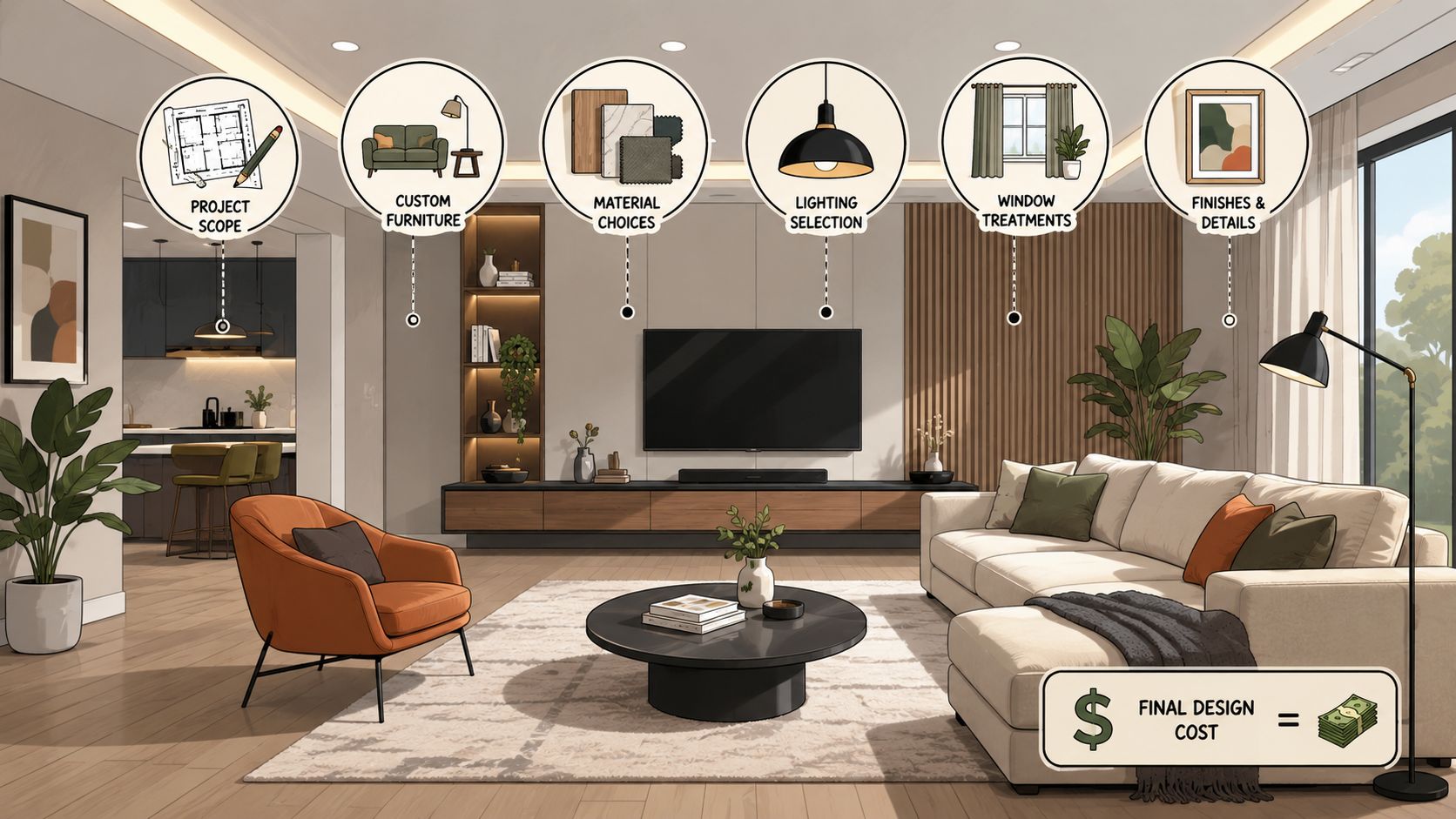
A homeowner in Southern Ontario might begin with a simple question: why does one design consultation feel like a brief opinion, while another feels like the start of a well-planned home transformation? The answer usually lies in what the designer is being asked to solve, how much judgement they bring to the table, and how much responsibility they will carry after that first meeting.
Experience and project depth matter
A consultation fee reflects more than time on the clock. It reflects trained judgement. An experienced designer can spot problems before they become purchases, such as a dining table that will crowd circulation, a rug that is too small to ground the room, or a fabric that will fade in strong afternoon sun.
That kind of foresight has financial value. A well-run consultation can prevent costly reorders, reduce decision fatigue, and help a client buy once instead of replacing pieces that never felt right in the space.
Project depth also changes the fee. A single room with clear goals is one level of work. A main-floor redesign with multiple rooms, existing architectural constraints, and family-specific needs asks for more preparation and sharper prioritization. In many Southern Ontario firms, the consultation sits inside a broader design process, so the opening meeting serves as a diagnostic stage rather than a stand-alone product.
A good comparison is tailoring. Hemming a pair of trousers and drafting a custom suit both involve skill, but they do not ask for the same level of measuring, planning, and accountability.
Location and service level shape the quote
Geography affects cost because local markets shape both expectations and operating realities. A client comparing options across Southern Ontario is often comparing more than design taste. They are also comparing showroom access, supplier relationships, travel time, installation standards, and the amount of hands-on support included.
Service level matters just as much. Some consultations are intended to give direction the client can carry out independently. Others begin a furnishing-led process that includes sourcing, order management, delivery coordination, and in-home placement. If you want a clearer picture of that higher-service experience, this guide to white-glove delivery and installation services helps explain why execution affects the overall value of a design engagement.
The more responsibility a designer takes on, the more the consultation functions as strategy.
That distinction is where return on investment becomes clearer. A lower upfront fee can look attractive, but it may leave the homeowner to handle measurements, vendor follow-up, substitutions, and styling decisions alone. A brand-led complimentary consultation, by contrast, can offer meaningful value at the very beginning by pairing design guidance with product knowledge, procurement support, and a curated path to furnishing the home well. For many clients, especially those who want confidence before making large purchases, that first conversation is less about paying for an appointment and more about setting the project on the right course.
What Your Consultation Fee Actually Includes
A good consultation works like the first set of architectural drawings for a home. You are not paying only for time in a room. You are paying for clarity, direction, and fewer expensive wrong turns once real purchasing begins.
The tangible deliverables
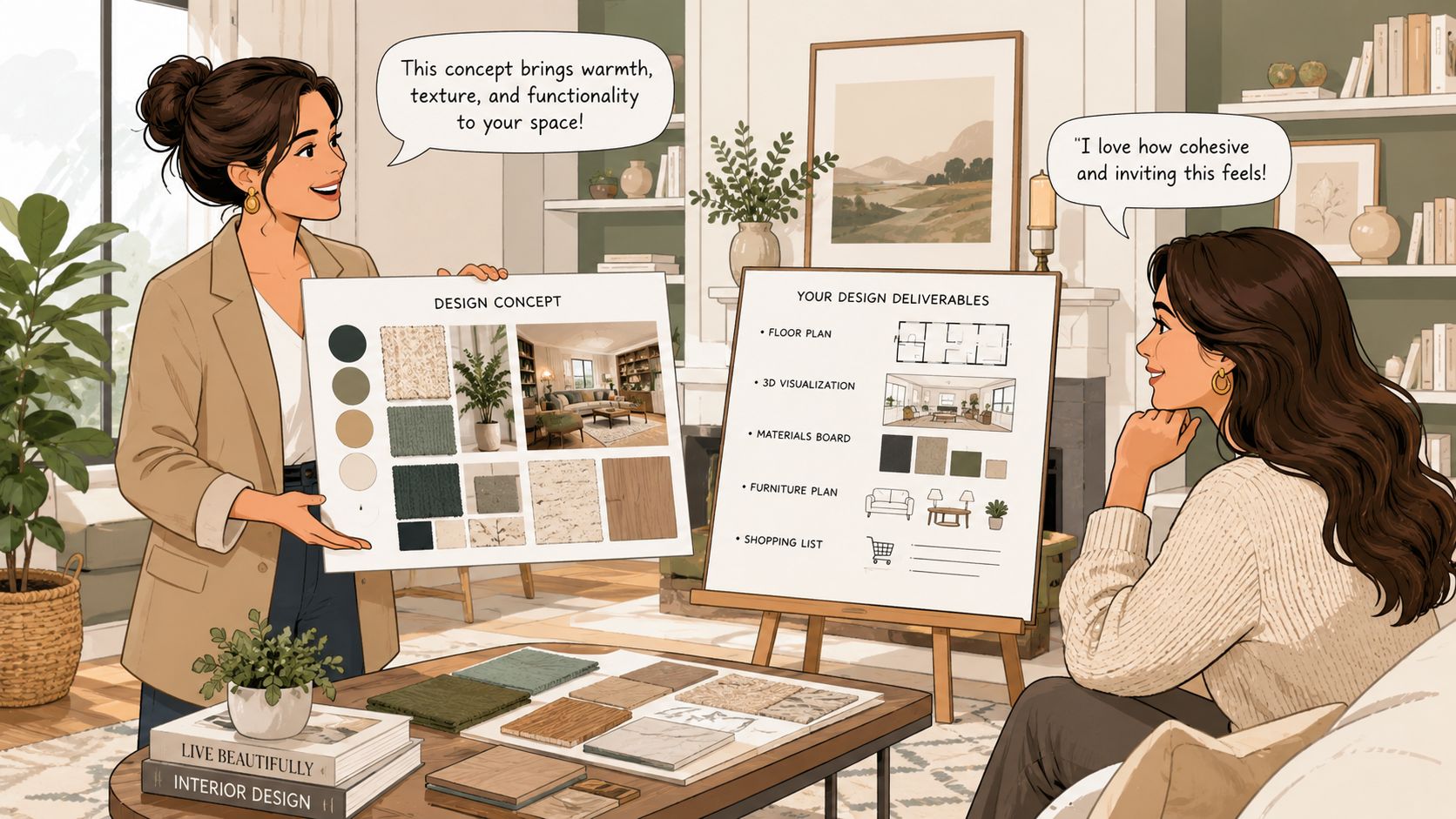
Every firm defines its consultation a little differently, but the strongest ones leave you with decisions that are easier to make and a room that is easier to shape well. In practical terms, that often includes:
- Space planning guidance for circulation, furniture placement, and scale.
- A design direction for palette, materials, and the overall feeling of the room.
- Early product or furnishing recommendations that suit the architecture and how the household lives.
- A clear order of decisions so you know what should be chosen first, and what can wait.
That order matters more than many homeowners expect. Selecting a sofa before confirming the rug size, lamp scale, or traffic path can create a chain of compromises. A consultation helps set the sequence properly, which is one of the quiet ways it protects your budget.
Some clients leave with a sharper brief and enough confidence to proceed on their own. Others use the consultation to confirm that they want a more guided furnishing process with sourcing, specification, and follow-through. If you would like to see what that fuller experience can include, Critelli's professional interior design services outline how guidance can extend well beyond the first meeting.
The less visible value
Return often shows up in what never has to happen.
You spend less time second-guessing. You avoid buying three items that are individually attractive but collectively disconnected. You reduce the chance of choosing a finish that flatters a sample card but falls flat in your own light.
Colour advice is a good example. A consultation can help distinguish between a shade that is fashionable and one that suits your millwork, flooring, upholstery, and daylight conditions. For readers interested in how specialised paint guidance can complement broader design planning, see Newline Painting for home colour advice.
There is also a relational value to the first meeting. The designer begins learning the home's proportions, the client's habits, and the difference between an impulse preference and a choice that will still feel right years from now. In a heritage-minded furnishing process, that understanding matters. It shapes recommendations with more care, and it often leads to better purchasing decisions over time.
Designer's Insight
Designer's Insight
Designers often begin with the floor, not the sofa. In a well-composed room, a hand-knotted rug can function as Art for your Floor, setting the palette, scale, and emotional tone for everything that follows.
Seen that way, the consultation fee is less about paying for an appointment and more about funding the judgment behind the room. In Southern Ontario, where furnishings and finishing choices can represent a meaningful household investment, that early judgment often delivers value long before the room is complete.
From Cost to Investment Evaluating a Designer's True Value
A couple walks into a showroom after buying a sofa that looked perfect online. In their home, it blocks the passage, competes with the fireplace, and makes the room feel smaller instead of calmer. The consultation they hesitated to pay for would have cost far less than correcting the mistake.
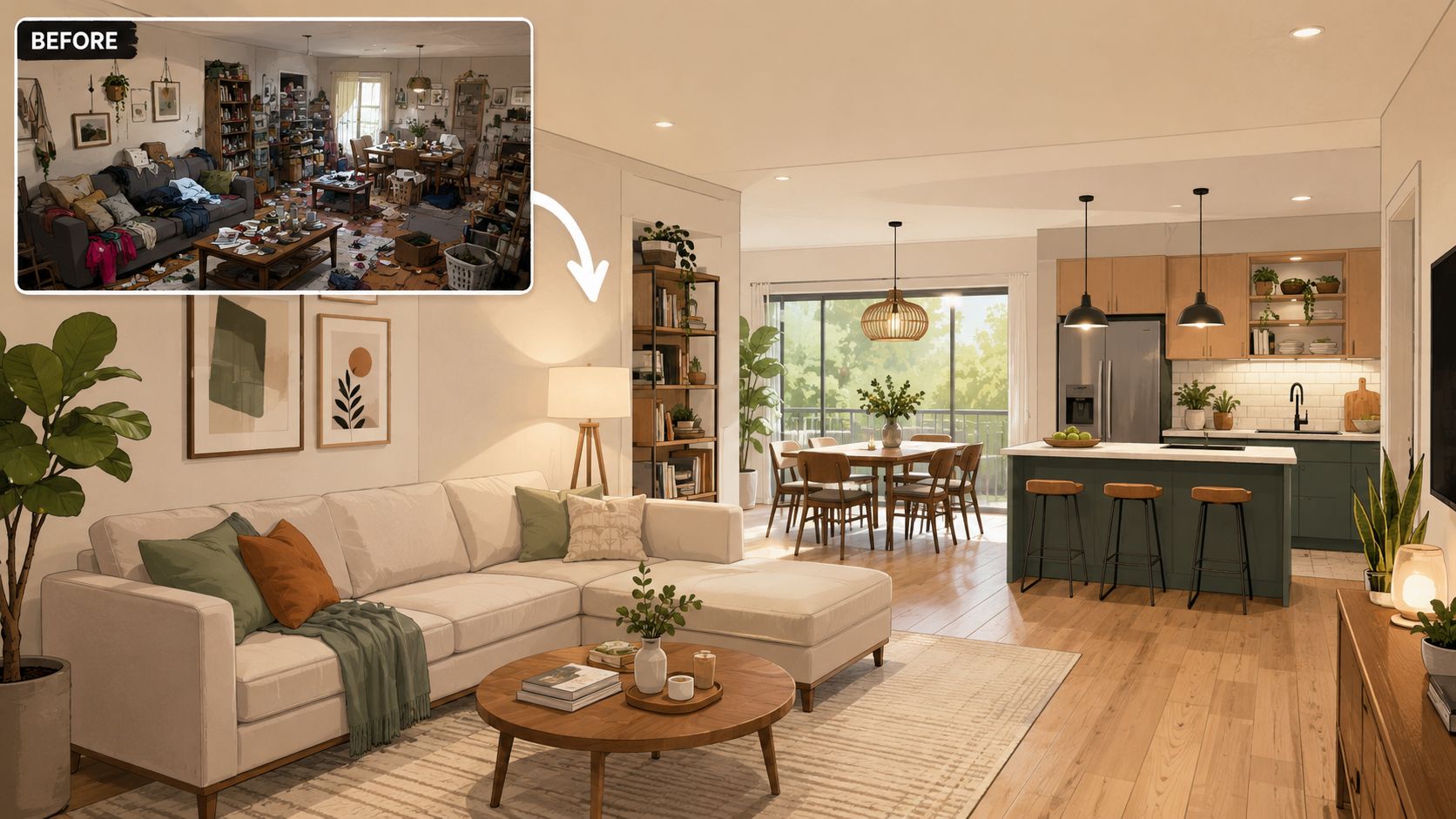
The clearest way to judge a consultation is to ask a better question. Not, "What does the meeting cost?" Ask, "What decisions does it protect?" In Southern Ontario, where a single room can involve meaningful spending across upholstery, casegoods, rugs, lighting, and finishing details, early professional guidance often improves the result and reduces expensive course corrections.
Part of that value lies in pricing clarity. After the first meeting, some firms charge a design fee, some earn through product margins, and some use a blended model. None of those approaches is uniformly unsuitable. What matters is whether the client understands how the firm is paid, what services are included, and how purchasing support is handled from selection through delivery and installation.
That transparency changes the tone of the project. Instead of wondering where costs may appear later, the client can focus on priorities, quality, and timing.
Colour is a useful parallel. Paint can seem like a small choice until daylight shifts, undertones surface, and nearby materials change the way a wall reads. Guidance from Newline Painting for home colour advice shows how a modest expert intervention can prevent a chain of revisions. The same principle applies to furnishings and room planning. Good advice early usually costs less than replacing the wrong choice later.
A thoughtful consultation also produces a kind of return that is harder to measure, but easy to feel once the room is complete. The space works. Circulation makes sense. The proportions feel settled. Purchases relate to one another rather than competing for attention. That is the difference between buying attractive pieces and composing a home.
For many households, that is where a brand-led approach stands apart. A complimentary consultation connected to a trusted furnishing house can offer design direction, product knowledge, and execution within one curated process. The value is not merely that the first conversation carries no separate fee. The value is that the consultation is informed by real access to materials, artisanship, room planning expertise, and follow-through.
Budget planning belongs in that conversation too. Quality pieces are often acquired over time, and practical options such as furniture financing support can help clients choose well without rushing the room.
Viewed properly, the consultation is the first act of stewardship. It protects the home from costly guesswork, protects the budget from scattered spending, and helps each later decision serve a larger design story.
Begin Your Design Journey with Confidence
By the time a homeowner understands interior design consultation cost, the larger truth usually becomes clear. The first meeting isn't merely a fee attached to advice. It's the step that turns scattered intentions into a livable plan. It gives shape to taste, protects the budget from missteps, and helps the room develop as a complete composition rather than a sequence of unrelated purchases.
That's why the right partnership matters more than the lowest opening price. A household in Greater Niagara, Hamilton, or Toronto may begin with questions about consultation fees, but what it's really seeking is judgement, clarity, and a process that feels polished from first conversation to final placement. In a design studio rooted in heritage, those qualities often matter as much as the furnishings themselves.
For clients drawn to luxury furniture in Niagara, interior design services in St. Catharines, custom furniture in Southern Ontario, and hand-knotted rugs in Ontario, a brand-led consultation can offer a distinct advantage. It connects the showroom, the design studio, the Rug Market, and white-glove execution into one curated experience. Since 1914, that family-run tradition has helped homeowners create rooms shaped by timeless craftsmanship, artisanal materials, and a design-forward point of view. Those exploring a broader regional offering can review interior design services in Toronto and Southern Ontario.
The result is a process that feels reassuring rather than opaque. A rug becomes the room's foundation. A Stickley piece brings structure and heirloom quality. A Stressless chair introduces comfort without compromising elegance. The room begins to feel organised, bespoke, and wholly its own.
Experience the craftsmanship in person at Critelli Furniture and discover a complete room concept shaped by timeless craftsmanship, curated selection, and white-glove care. Book your complimentary design consultation today. Visit the Rug Market to find your room's foundation.