
Fabric vs Leather Sofa: An Heirloom Investment Guide

A sofa choice usually begins the same way. Someone stands in the middle of the living room, studies the light, thinks about how the room needs to feel at the end of a long day, and realises the sofa won't just fill space. It will set the tone for everything around it.
That's why the fabric vs leather sofa decision deserves more than a quick pros-and-cons list. This piece will absorb daily life, host family conversations, carry the room visually, and, if chosen well, become part of the home's story rather than part of a future disposal plan.
Southern Ontario buyers often face this decision with a sharper eye for quality. They aren't just shopping for a seat. They're weighing comfort, climate, longevity, and whether the room should read as relaxed, structured, collected, or subtly formal. The right answer isn't trendy. It's specific to the household, the architecture, and the standard of living the homeowner wants to maintain.
The Heart of Your Home
A well-chosen sofa becomes the room's centre of gravity. Children stretch across it with books, guests gather around it during holidays, and quiet evenings settle into it without much thought. Years later, people rarely remember the throw pillows first. They remember the sofa.
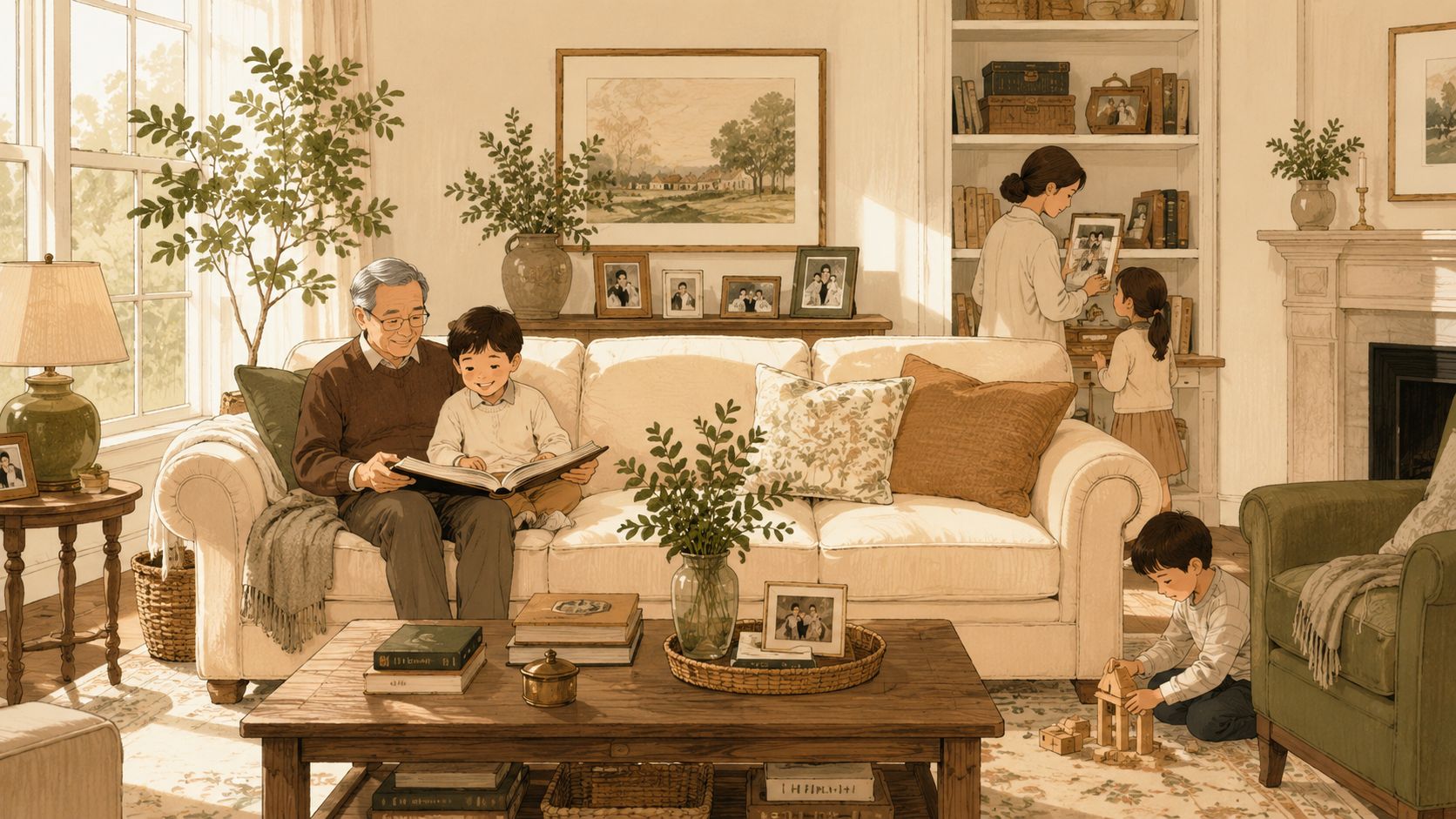
That emotional weight is precisely why heritage matters. Critelli Furniture was founded in 1914 and has operated as a family-run business for over 110 years, a legacy documented by the Greater Niagara Chamber of Commerce. In a market crowded with short-lived trends, that kind of continuity says something important. Families who've spent generations around fine furniture tend to recognise the difference between a passing purchase and heirloom quality.
A sofa should carry the room
A discerning homeowner doesn't choose upholstery in isolation. The sofa lives alongside flooring, wood tones, window treatments, art, and scent. Even small finishing choices affect the atmosphere, which is why thoughtful details such as choosing your perfect Aussie-made scent can sharpen the mood of a room once the major furnishings are in place.
A beautiful room doesn't happen by accident. It happens when every choice supports the next one.
Why this decision feels so personal
The sofa is one of the few pieces in a home that must satisfy both the eye and the body every day. Dining chairs can be sculptural. Accent tables can be expressive. A sofa has to do more. It must look composed, feel right, and still hold up after years of ordinary use.
That's why this conversation belongs in the realm of investment, not impulse. The best fabric vs leather sofa choice isn't the one with the loudest showroom appeal. It's the one that still feels correct after the room has matured around it.
The Enduring Allure of Leather
Leather remains the strongest recommendation for buyers who care about longevity, refined character, and timeless craftsmanship. It's not the soft option in the sentimental sense. It's the disciplined option. And in a principal living room, discipline often ages better than whim.
Full-grain and top-grain aren't interchangeable
Not all leather performs or ages the same way. Buyers comparing premium upholstery should understand the distinction between surfaces and finishes before making a decision. A useful starting point is this guide to top-grain vs full-grain leather.
Top-grain leather offers a refined, polished appearance that suits design-forward interiors where a cleaner surface matters. Full-grain leather tends to show more natural character and develops a richer, more individual patina over time. Neither should be judged by sterile perfection. Character is part of the point.
Patina is a virtue, not a flaw
Leather changes with use. That change is often what serious furniture buyers value most. The surface softens visually, catches light differently, and begins to reflect the life of the room. Fabric wears out. Good leather wears in.
For households that want a sofa to feel established rather than perpetually new, leather has the advantage. It doesn't ask for visual apology as it ages. It becomes more convincing.
Practical rule: If a homeowner wants the sofa to look better after years of use, leather is usually the stronger choice.
Why leather works so well in elevated interiors
Leather brings a specific kind of clarity to a room. It sharpens silhouettes, gives depth to warm neutrals, and pairs beautifully with wood, stone, metal, and artisanal finishes. In traditional spaces, it adds gravity. In contemporary rooms, it prevents the scheme from feeling flat.
It also solves practical concerns with elegance. Leather naturally resists many of the daily nuisances that trouble upholstered seating. It doesn't trap the room visually, and it tends to suit clients who want their main seating to feel ordered rather than casual.
The right buyer for leather
Leather is the correct answer for many premium homes, especially when the sofa is meant to anchor the room for years. It suits buyers who value:
- Architectural presence over decorative softness
- Aging beautifully rather than staying visually static
- Low-fuss day-to-day care instead of more absorbent upholstery
- Heirloom quality over short-term savings
Leather isn't the answer for every lifestyle, but it is often the answer for the homeowner who wants one excellent sofa instead of a sequence of acceptable ones.
The Versatile Comfort of Fabric
Fabric earns its place when softness, texture, and colour flexibility matter most. A well-chosen fabric sofa can feel welcoming in a way leather sometimes can't, especially in rooms designed to invite lounging, layered textiles, and a more relaxed emotional tone.
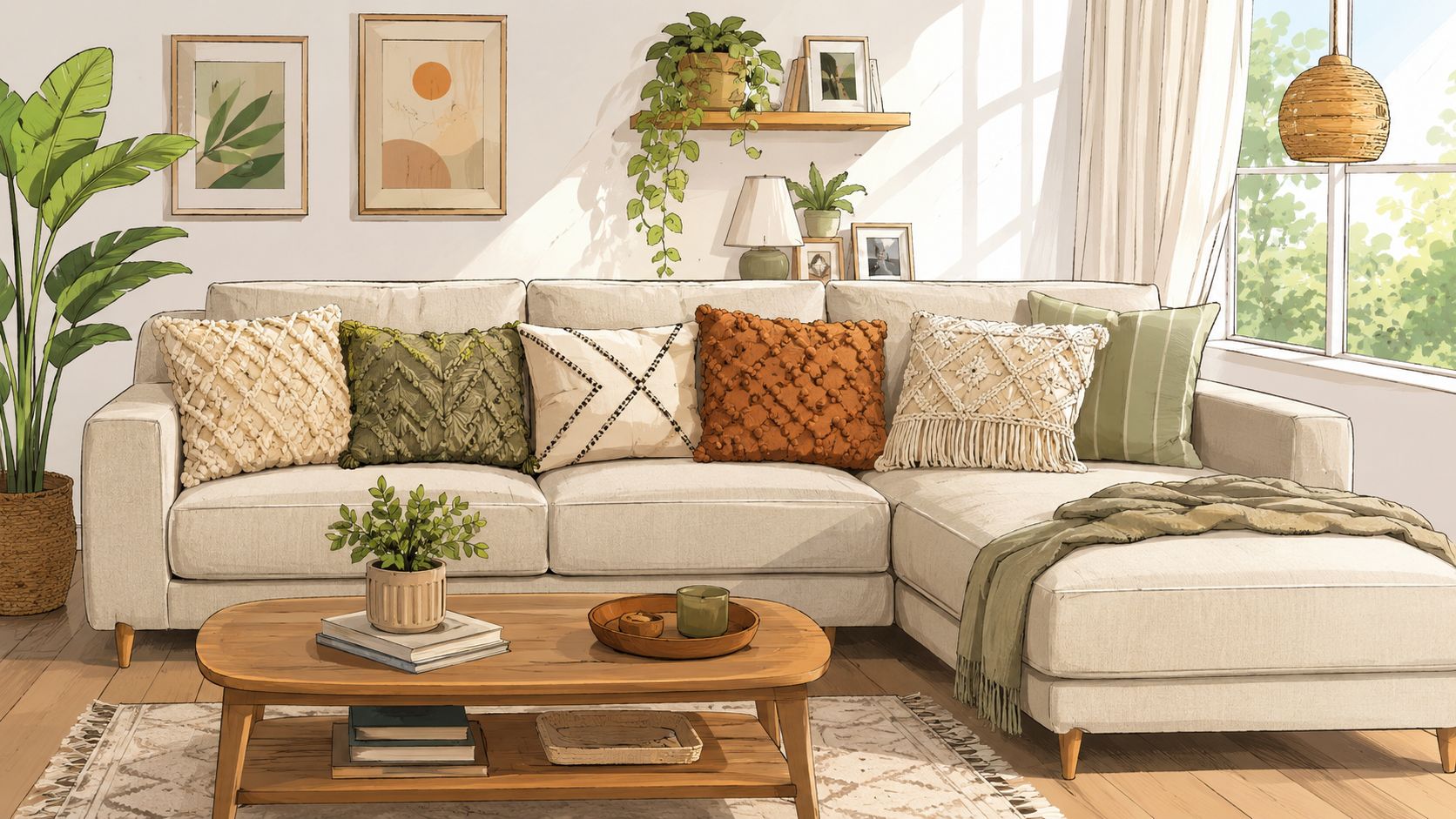
That said, “fabric” is far too broad a category to judge as one thing. Cotton, velvet, bouclé, performance blends, and microfiber behave very differently. The wise buyer doesn't ask whether fabric is good or bad. The wise buyer asks which fabric was specified, how tightly it's woven, and whether it was chosen for the room or merely for the showroom.
Performance matters more than softness
Durability in upholstery has standards, and premium buyers should use them. The Martindale and Wyzenbeek durability benchmarks matter because they separate decorative textiles from practical ones. A Martindale rating above 30,000 rubs is required for heavy domestic use, and tightly woven microfiber with a Wyzenbeek rub count exceeding 30,000 double rubs offers the highest durability for residential use.
That single point changes the conversation. A fabric sofa shouldn't be dismissed as delicate if the textile has been selected with real household use in mind.
Fabric offers more design freedom
Fabric excels when the room needs nuance. It can soften a contemporary shell, introduce tonal depth, or echo surrounding drapery and rugs with more precision than leather usually allows. For a client building a bespoke interior, fabric opens a larger palette of colours, patterns, and hand-feel.
A few of the strongest reasons to choose fabric:
- Greater expression through weave, tone, and pattern
- A softer visual read for relaxed or layered interiors
- Better scratch resistance in some high-rub synthetic blends for pet households
- Bespoke flexibility when coordinating with other textiles in the room
Homeowners with animals should also consider practical upholstery guidance such as pet-friendly furniture choices before narrowing the field.
Texture changes how a room feels before anyone sits down. Fabric often wins that sensory test immediately.
The best case for fabric
Fabric is ideal when the client wants a room that feels easy, upholstered, and highly inviting. It's especially compelling in family rooms, casual great rooms, and interiors where layered textiles are part of the design language.
Still, fabric rewards careful specification. Loose weaves and purely decorative textiles can disappoint quickly in a high-use setting. The right fabric sofa isn't solely soft. It's organised, technical where needed, and chosen with the same seriousness as the frame beneath it.
A Practical Comparison for Your Lifestyle
A sharp comparison should answer one question. Which material fits the way the household lives? Not the fantasy version. The true one.
Fabric vs. Leather at a Glance
| Consideration | Heirloom Leather | Bespoke Fabric |
|---|---|---|
| Durability and lifespan | Strong long-term performer with a surface that develops patina | Varies widely by textile and construction |
| Daily maintenance | Easier for many routine wipe-ups and less absorbent by nature | Often needs more attentive care depending on weave and fibre |
| Comfort feel | More tailored, structured, and visually crisp | Softer, warmer-looking, and more textural |
| Pets and children | Better for spills, less forgiving for scratches | Some high-performance synthetics offer better scratch resistance |
| Design flexibility | Timeless and disciplined palette | Broadest range of colours, patterns, and textures |
| Climate response in Southern Ontario | Better suited to moisture resistance and temperature regulation | Can absorb moisture and may need more care |
Southern Ontario changes the answer
Many generic guides miss the regional reality. Southern Ontario homes move through high humidity in summer and dry cold in winter, and that affects upholstery performance. As noted in this regional climate discussion, leather's ability to regulate temperature and resist moisture makes it superior for many CA homes, while fabric can absorb moisture and may require more care.
For homes with older HVAC systems, fireplaces, or inconsistent humidity control, this isn't a minor footnote. It's a buying factor. Leather tends to stay more composed under those seasonal swings. Fabric can still work beautifully, but it usually demands tighter attention to textile selection and maintenance habits.
Pets, children, and honest use patterns
A household with dogs, children, and a heavily used main seating area should be ruthless about realism. If spills are common, leather usually makes more sense. If scratching is the bigger concern, certain high-performance fabric blends may be the better call.
For pet owners who want an extra layer of day-to-day protection without turning the room into a compromise, practical accessories that protect your sofa in style can help preserve the upholstery while keeping the room polished.
Comfort is more than softness
Comfort starts with seat depth, back pitch, cushion fill, and how the user sits. Upholstery is only one part of it. A client who lounges, curls up, or prefers a deeper sit should settle dimensions first, then material. This guide to measuring ideal seat depth is often more useful than another debate about fabric versus leather.
Some buyers choose the wrong material because they never solved the right problem. Poor fit feels uncomfortable in any upholstery.
For a formal living room, leather often looks better and performs better over time. For a relaxed family room built around softness and layers, fabric can be the more emotionally satisfying choice. The right answer follows the household, not the trend.
The True Cost and Investment Value
Upfront price gets too much attention because it's immediate. Long-term ownership tells the full story.
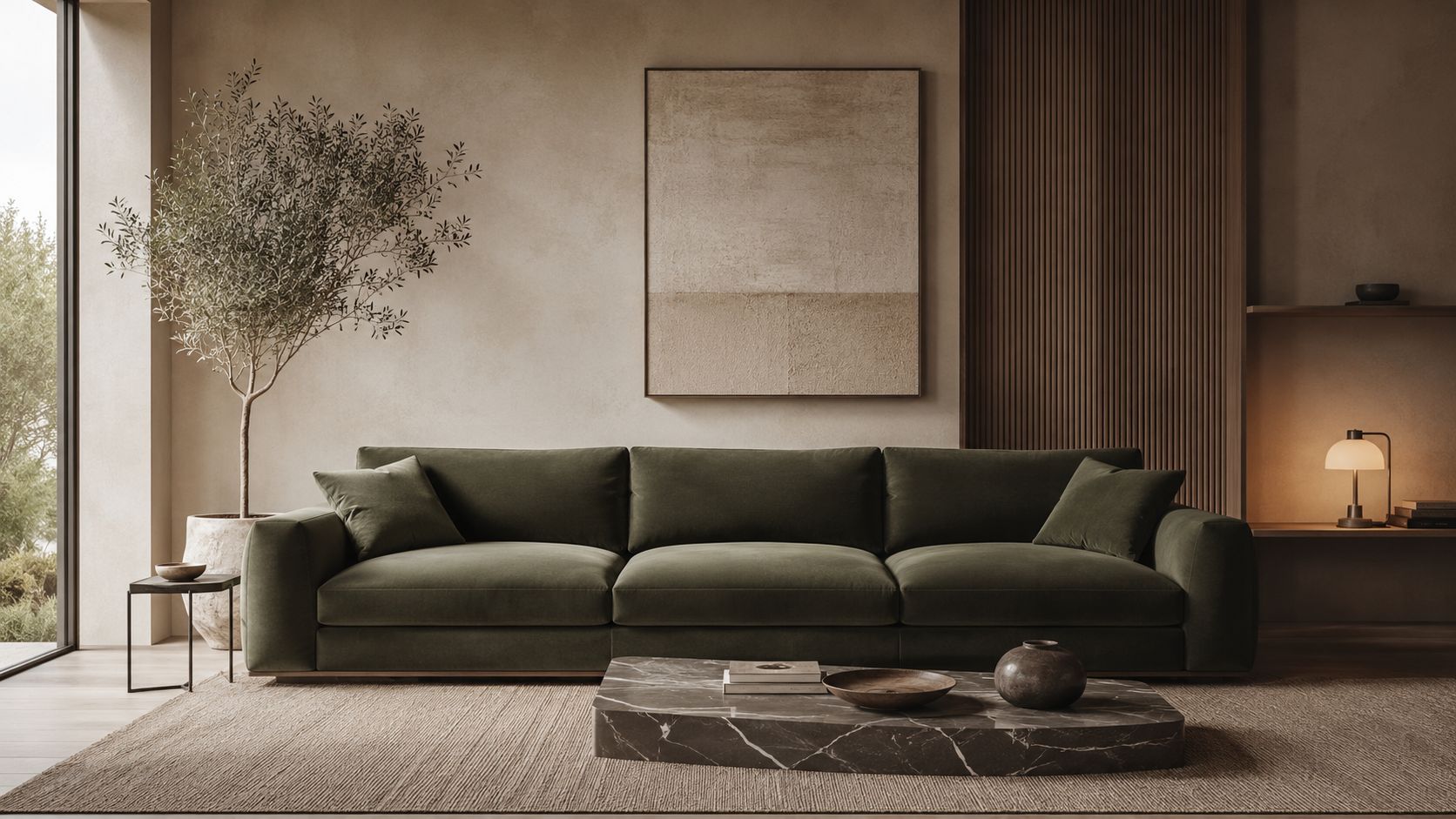
In the California furniture market, fabric and leather sofa pricing shows the contrast clearly. Quality top-grain leather sofas typically range from $2,500 to $4,500, while full-grain leather pieces from premium manufacturers can easily reach $5,000 to over $10,000. Budget-friendly fabric sofas start around $500 to $800 and high-end designer fabric pieces exceed $4,000. Leather costs more at the beginning. That part is obvious.
The mistake is stopping the analysis there.
Cost over time matters more than sticker shock
A sofa isn't a seasonal purchase. It's a long-use asset in one of the busiest rooms in the home. According to this analysis of leather sofa longevity and cost-per-year, leather sofas often last four times longer than average fabric sofas. A quality $1,500 leather piece used daily for 15 years has a cost-per-year of approximately $100, often half that of fabric sofas which may need replacement every five years.
That's the number serious buyers should remember. Not the initial premium. The annual cost of living with the piece.
Why premium buyers often favour leather
A homeowner investing in a principal sofa usually wants at least three things:
- Fewer replacements over the years
- A material that keeps dignity with use
- Better long-term value, even if the first invoice is higher
That's why leather so often wins the investment argument. The upfront cost may sting briefly. Replacing an underperforming sofa stings repeatedly.
Heirloom quality changes buying behaviour
Once a client starts thinking in terms of heirloom quality, the question changes from “What costs less today?” to “What will still feel right years from now?” That shift leads naturally toward better frames, better upholstery, and fewer compromises.
For buyers exploring that standard, this perspective on heirloom-quality furniture aligns with the way enduring pieces should be judged. A premium sofa should justify its place over time, not merely survive the first few seasons.
A fabric sofa can still be the right decision. But if the buyer's core priority is financial sense over the long run, leather is usually the stronger recommendation. It asks for more at the beginning and often gives more back over the life of the piece.
Designing Your Complete Room Concept
A sofa shouldn't be chosen as an isolated object. It should be selected as the anchor of a complete room concept. That means scale, finish, rug, lighting, occasional tables, and even the visual rhythm between materials need to support one another.
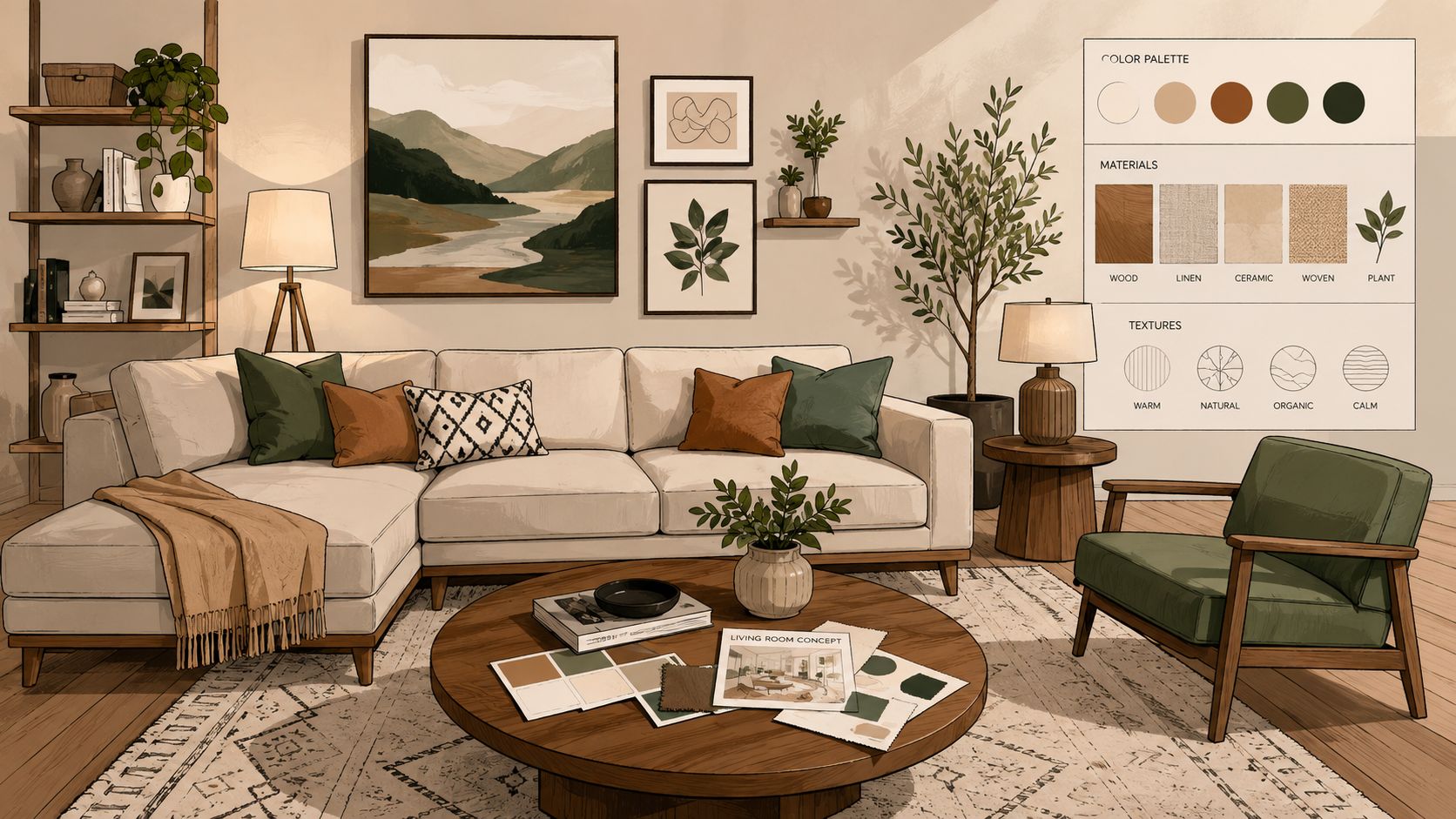
Many rooms go wrong when the homeowner finds a beautiful sofa, then starts solving around it too late. A stronger approach starts with the room's foundation and builds upward with intention.
Start from the floor and work up
Rugs aren't accessories in a well-designed room. They establish the palette, define the seating zone, and influence how the upholstery reads. Critelli's Rug Market sources hand-knotted, artisanal masterpieces globally, positioning rugs as “Art for Your Floor” and the foundational element for a room's entire design, a philosophy central to interior design services in St. Catharines.
A leather sofa over a hand-knotted rug creates contrast and depth. A fabric sofa over the right rug can create tonal layering that feels collected rather than matched. In both cases, the floor plane does more of the design work than many buyers expect.
Designer's Insight
Pair a bold Hancock & Moore leather sofa with a neutral hand-knotted wool rug to balance the room's energy and keep the seating from feeling too visually heavy.
Use the sofa to define the room's language
Different upholstery choices create different interiors.
- Leather with wood and stone gives the room structure, warmth, and permanence.
- Fabric with layered textiles creates softness and a more enveloping atmosphere.
- A precise silhouette suits formal architecture and cleaner sightlines.
- A deeper, cushioned profile works best when the room is meant for long, informal use.
The strongest rooms usually hold a bit of tension. A sleek leather frame benefits from an artisanal rug. A softer fabric sofa benefits from sharper tables or cleaner lighting. That contrast keeps the space from becoming predictable.
Curated choices create a finished home
A complete room concept works best when the client can see both traditional and contemporary design languages in person. Critelli operates two distinct St. Catharines showrooms, one at 126 King Street and another at 169 St. Paul Street, supporting a more curated selection across classic and modern interiors, as outlined on the showroom and design services page. For anyone seeking luxury furniture Niagara, custom furniture Southern Ontario, or hand-knotted rugs Ontario, that breadth matters.
A room doesn't feel bespoke because every item is expensive. It feels bespoke because each item belongs.
Your Bespoke Sofa Buying Checklist
A premium sofa purchase should feel deliberate. If the checklist is weak, the outcome usually is too.
What to confirm before ordering
- Measure the room properly. Overall width isn't enough. Buyers should confirm traffic flow, doorways, sightlines, and how the sofa relates to surrounding pieces. Those considering a made-to-order option can review custom couch considerations in Toronto and beyond.
- Match the material to the household. Spills, pets, formal entertaining, and daily lounging all point toward different upholstery choices.
- Judge the long view. A less expensive sofa isn't automatically the wiser buy if it needs replacement far sooner.
- Consider the whole room. Rug, lighting, tables, and upholstery should work as a composed set, not as separate victories.
- Test the sit, not just the look. A beautiful sofa that feels wrong after twenty minutes was never the right sofa.
Delivery should finish the experience properly
The final stage matters more than many buyers realise. Critelli's White-Glove Delivery Service covers the Greater Niagara, Hamilton, and Toronto markets, providing professional teams that handle meticulous inspection, assembly, precise home placement, and complete packaging removal, ensuring spaces are “showroom-ready.”
That level of care fits the nature of the purchase. A bespoke or heirloom-quality sofa shouldn't arrive as a logistical burden. It should arrive as the final layer of a well-managed design decision.
The fabric vs leather sofa question has a clear answer once the buyer gets honest about lifestyle, climate, and priorities. For long-term value and timeless presence, leather usually leads. For softness, texture, and broader decorative freedom, fabric can be exactly right. The better choice isn't the one that sounds appealing in theory. It's the one that will still feel intelligent after years of daily life.
Experience the craftsmanship in person at Critelli Furniture. Visit the King Street Showroom for a curated selection rooted in timeless craftsmanship, or book your complimentary design consultation today to shape a complete room concept with bespoke guidance. For rooms that begin from the ground up, visit the Rug Market to find your room's foundation.